

The Silk Road was more than just a network of trade routes; it was a conduit for economic exchange, cultural diffusion, and technological advancements that connected the Mediterranean, Europe, the Middle East, and Asia. Named after Chinese silk, these routes facilitated the trade of goods such as spices, metals, glassware, and precious stones. Material goods aside, merchants also exchanged knowledge, scientific innovations, technology, and religious beliefs.
Traveling the Silk Road was perilous, and merchants faced harsh landscapes, including deserts and dangerous mountain ranges. Banditry was a constant threat, and traders often paid tolls to local rulers to ensure safe passage. Although the routes declined after the fall of the Han Dynasty in the 3rd century A.D., trade continued until the 14th century.
The Role of Coins in the Silk Road Trade
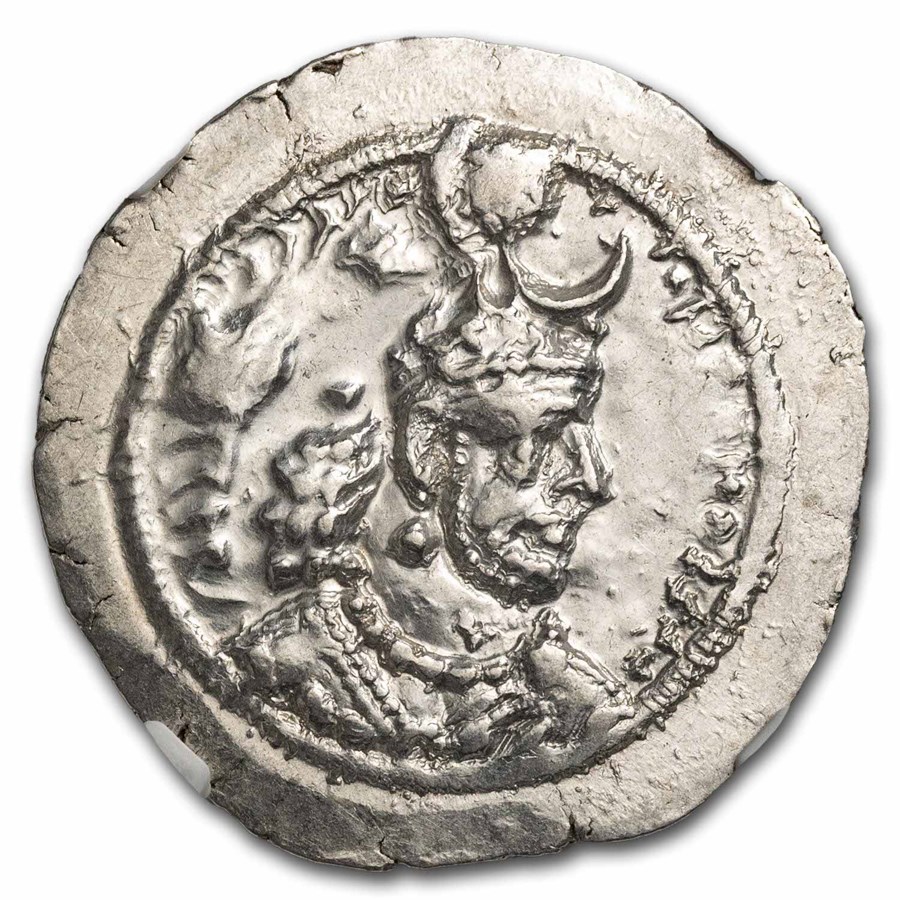
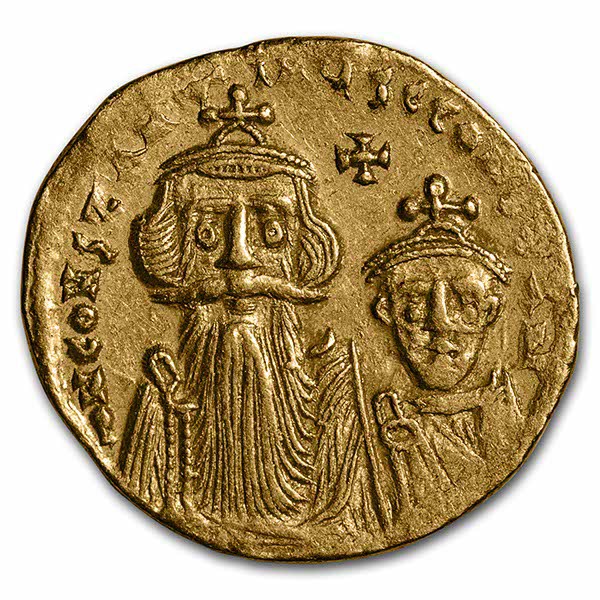
Currency played a crucial role in trade along the Silk Road, providing a standardized and trusted medium of exchange. Two major currencies dominated commerce: the Sassanian silver drachm and the Byzantine solidus, both widely accepted due to their reliability. However, various coins from different regions circulated, reflecting the vast economic interactions along these routes.
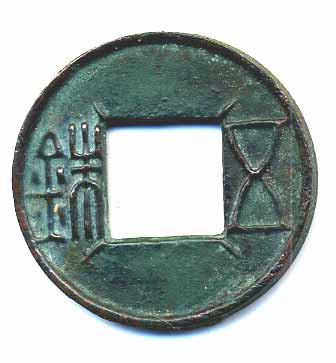
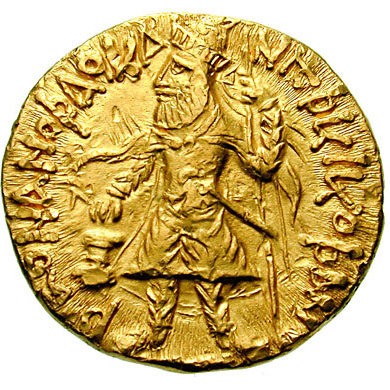
Chinese merchants commonly used spade and knife coins before transitioning to round bronze coins with square holes during the Han Dynasty. In contrast, the Kushan Empire, between Central Asia and India, issued gold dinars and copper coins bearing Greek and Sanskrit inscriptions, symbolizing the fusion of cultures. In the Islamic world, silver dirhams and gold dinars became prevalent, spreading alongside the expansion of Muslim rule.
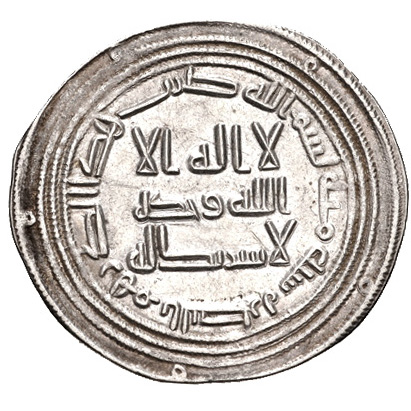
As trade flourished, coins from different civilizations mingled in the same markets. Merchants used scales to verify the metal content of unfamiliar coins, ensuring fair transactions. In some cases, barter remained an alternative, particularly in regions with scarce currency.
The Historical Significance of Silk Road Coinage
Coins along the Silk Road provide a tangible link to the past, revealing insights into economic interactions, political influences, and cultural exchanges. These coins’ inscriptions, symbols, and artistic styles reflect the diverse powers that controlled trade routes over time. For example, Sassanian coins often depicted rulers with distinct crowns, while Tang Dynasty coins bore calligraphic inscriptions reinforcing imperial authority. Additionally, the presence of foreign coins in archaeological discoveries highlights the far-reaching impact of trade networks. Byzantine solidi unearthed in China and Sassanian drachms found in Central Asia demonstrate how currency transcended borders, bridging vast distances and different civilizations.
Coins as Collectibles and Historical Artifacts
For historians and collectors, Silk Road coinage offers more than just monetary value. These coins tell the story of ancient trade, diplomacy, and economic systems. Their existence provides evidence of long-lost empires and the interconnectedness of global commerce.
Whether you’re a collector or a history enthusiast, studying ancient coins offers a fascinating glimpse into the economic and cultural exchanges that shaped the Silk Road. Explore rare and historic coins to uncover the rich legacy of this legendary trade network.