

Beginning a numismatic journey often brings immediate confusion when encountering terms like “coins,” “rounds,” and “bullion.” These products may appear nearly identical to the untrained eye, yet they possess distinct characteristics that significantly impact their value, purpose, and place in a collection. Understanding these fundamental differences empowers new collectors and investors to make confident purchasing decisions aligned with their goals.
Understanding Bullion: The Foundation
Before exploring specific product types, grasping the broader concept of bullion proves essential. Bullion refers to precious metals, typically gold, silver, platinum, or palladium, valued primarily for their metal content rather than rarity, condition, or artistic merit. Bullion products trade based on current spot prices plus small premiums covering production and distribution costs.
Bullion exists in three primary forms: bars, rounds, and coins. Each serves the same fundamental purpose of providing precious metal ownership but differs in production methods, legal status, and market characteristics. The bullion vs. coins comparison becomes clearer when recognizing that some coins function as bullion while others serve numismatic purposes.
Investors purchasing bullion seek exposure to precious metals as portfolio diversification, inflation hedges, or wealth preservation tools. The metal’s intrinsic value matters more than collectible features. This distinguishes bullion purchases from numismatic collecting, where rarity, historical significance, and condition dramatically affect pricing beyond metal content.
What Is a Silver Round?
A silver round represents a privately minted disc of precious metal resembling a coin but lacking legal tender status. Private refineries and mints produce these pieces in various designs, weights, and finishes. What is a silver round’s defining characteristic? The absence of government backing and face value separates rounds from official coins.
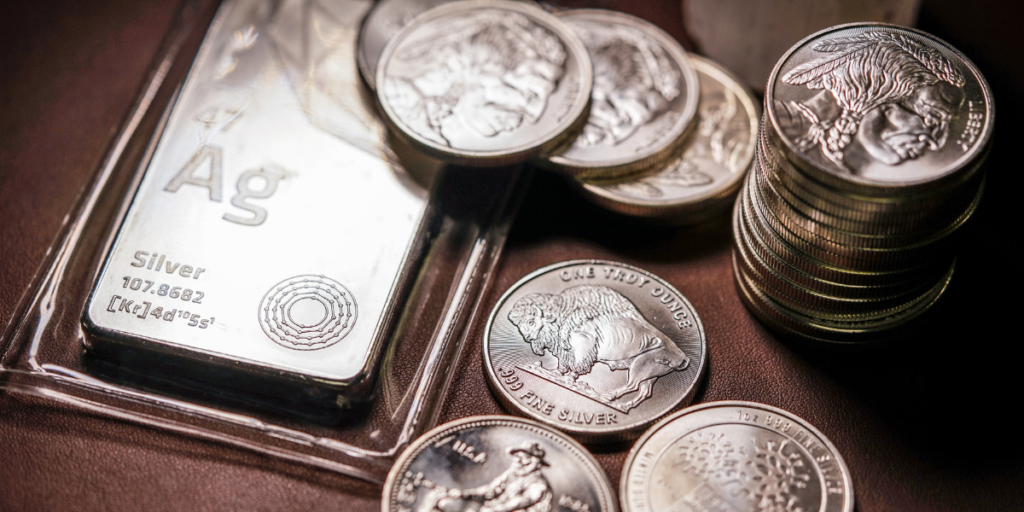
Silver bullion rounds typically contain .999 fine silver, meeting investment-grade purity standards. Manufacturers stamp weight and purity directly on each piece, allowing easy verification. Common weights include one troy ounce, though some mints produce fractional sizes or larger rounds up to ten ounces or more.
The private manufacturing of silver rounds enables remarkable design diversity. Mints create rounds honoring historical figures, replicating famous coin designs, celebrating cultural themes, or featuring completely original artwork. Some rounds achieve collectible status through limited production or exceptional artistry, though most trade based primarily on silver content.
What Is a Bullion Coin?
A bullion coin represents official legal tender issued by a sovereign nation’s mint, containing specific amounts of precious metal guaranteed by that government. These coins carry nominal face values, though their actual worth derives from precious metal content far exceeding the stated denomination. Government mints produce bullion coins to meet investor demand for officially authenticated precious metals.
What is a bullion coin’s distinguishing feature? Government backing provides assurance regarding weight, purity, and authenticity that private products cannot match. Established mints like the U.S. Mint, Royal Canadian Mint, and Perth Mint have centuries of reputation supporting their products. This official status justifies higher premiums compared to privately minted rounds.
Popular bullion coins include the American Gold Eagle, American Silver Eagle, Canadian Maple Leaf, South African Krugerrand, and Austrian Philharmonic. Each features consistent designs representing national symbols and heritage. These coins undergo strict quality control, ensuring every piece meets exacting specifications.
Numismatic Coins: Beyond Bullion
While discussing the bullion vs. coins relationship, recognizing that not all coins function as bullion proves important. Numismatic coins derive value from factors beyond precious metal content, including rarity, historical significance, condition, and collector demand. These pieces may contain little or no precious metal yet command substantial premiums.
Rare classic coins, commemoratives, proof sets, and limited mintage issues often fall into the numismatic category. A collector pursuing rare coins evaluates entirely different criteria than a bullion investor. Grade, strike quality, original surfaces, and population reports matter tremendously for numismatic value.
Some coins straddle both worlds. Modern commemoratives contain precious metals and carry legal tender status, but also feature special designs honoring specific events or figures. Their value reflects both metal content and collectible appeal. Similarly, older bullion coins in exceptional condition may develop numismatic premiums exceeding their melt value.
Silver Rounds vs. Coins: Direct Comparison
The decision between silver rounds and coins confronts every precious metal investor eventually. Both products offer silver ownership but serve different needs and carry distinct advantages.
Production Source: The government mints produce coins under official authority with strict oversight. Private companies manufacture rounds without governmental involvement. This fundamental difference affects authenticity verification, quality consistency, and market acceptance.
Legal Tender: Coins maintain official currency status with face values, while rounds carry no monetary denomination. Although nobody spends silver coins at face value given their precious metal content, legal tender status provides additional legitimacy and potential legal protections against counterfeiting.
Premium Structure: Silver bullion rounds typically trade closer to spot prices with minimal premiums. Government-issued coins carry higher markups reflecting production costs, official backing, and greater market demand. Investors maximizing silver ounces per dollar spent favor rounds; those valuing government authentication prefer coins.
Design Consistency: Government coins feature standardized designs approved through official processes, changing only when authorized by law. Rounds exhibit unlimited design variety as private mints face no restrictions. This flexibility creates extensive options but less standardization across the market.
Market Liquidity: Well-known government coins like American Silver Eagles enjoy universal recognition and ready buyers worldwide. Dealers instantly identify and price these familiar products. Silver rounds from established private mints trade readily but may require more explanation. Generic or obscure rounds sometimes face higher selling spreads.
Collectibility Potential: While both serve primarily as bullion, certain coins develop numismatic premiums through limited mintages, special finishes, or historical significance. Rounds generally maintain value tied strictly to silver content, though exceptional pieces occasionally achieve collectible status.
Bars: The Third Option
Beyond the silver rounds vs. coins comparison, silver bars represent another important bullion format. Bars range from one-ounce pieces to massive 1,000-ounce institutional sizes. Their rectangular shape maximizes material efficiency and storage density compared to circular formats.
What is a bullion coin’s relationship to bars? Both serve investment purposes, but bars emphasize pure metal content over design artistry. Refiners produce bars with minimal embellishment, typically just weight, purity, and manufacturer markings. This simplicity keeps premiums low, similar to rounds.
Bars excel for investors accumulating larger quantities of precious metals. Storage becomes more efficient, and per-ounce costs decrease at higher weights. However, bars lack the divisibility that coins and rounds provide. Selling a 100-ounce bar requires finding buyers for the entire piece, whereas coins and rounds offer flexible liquidation options.
Building Your Knowledge Base
The bullion vs. coins distinction represents just one aspect of precious metals investing. Successful collectors and investors continuously expand their knowledge through research, dealer relationships, and hands-on experience. Reputable dealers provide education alongside products, helping customers make informed decisions.
Starting a precious metals portfolio involves learning terminology, understanding market dynamics, and developing personal preferences. Some collectors gravitate toward government coins’ official nature and consistent quality. Others appreciate rounds’ affordability and design variety. Many find satisfaction in diversified holdings incorporating multiple product types.