

Do not let the name fool you. The “paper” money Americans use every day is actually made from a fabric blend of cotton (75%) and linen (25%). However, this durable cloth blend did not suddenly appear at the signing of the Declaration of Independence; rather, it has been in the making for over 200 years. From salt and tobacco leaves to precious metals and finally to “paper,” discover the fascinating history of the fabric bills used today.
The Origins of Gold & Silver Coins
With the establishment of America under British control, it was logical to adopt the same currency as Great Britain, which consisted of gold and silver coins. However, it was not common for colonists to have consistent access to British pounds. Rather than floundering under the difficult circumstances, Americans adapted by using a combination of bartering and other international coins. For bartering, colonists used everything from cattle to tobacco leaves. Meanwhile, they also favored Spanish milled dollars, which, despite their name, were actually silver coins. They were favored due to their more consistent silver content. To adapt to smaller denominations, coins were cut into smaller pieces so their silver content aligned with the proper value.
The Birth of Banknotes
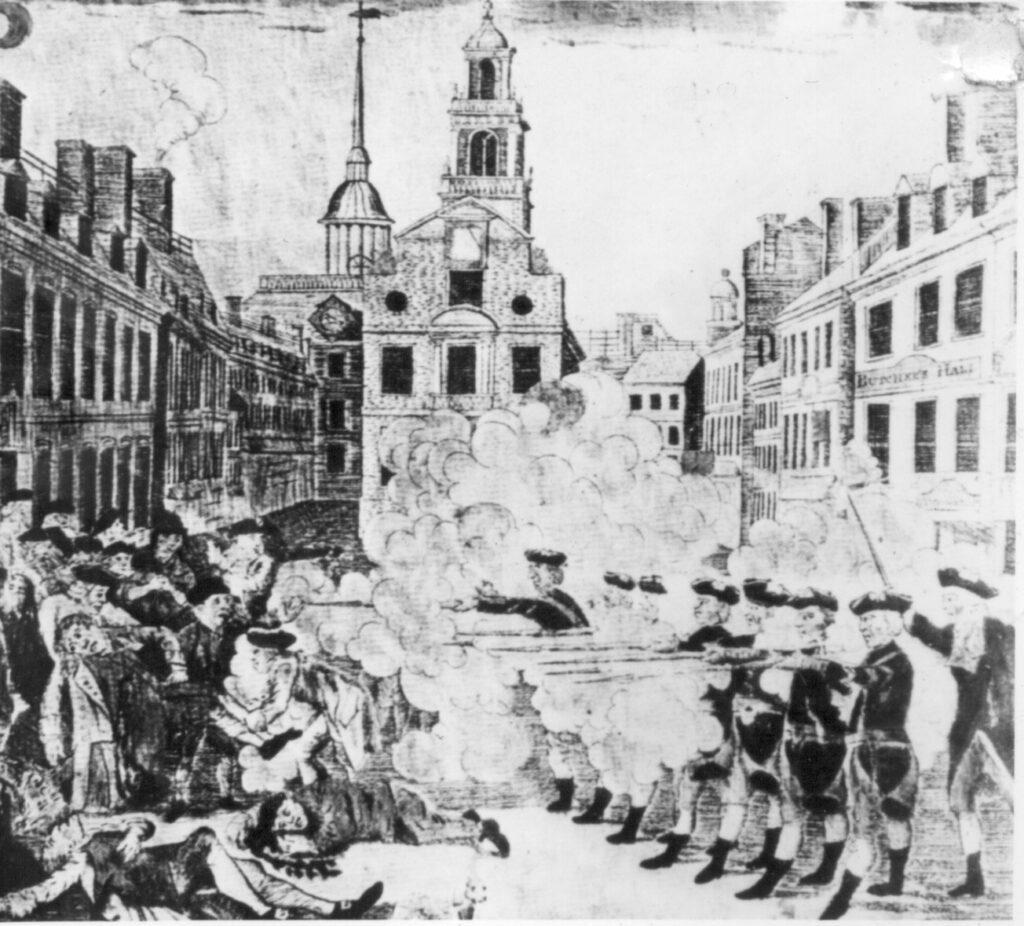
While a mix of bartering and international coins kept the colonies’ economy afloat for several years, a sudden change forced them to adapt and overcome in order to survive. By 1690, King William’s War was in full swing, and colonies faced a dire need for more funding to support their war efforts. The Massachusetts Bay Colony was the first to issue “bills of credit” to soldiers. These bills functioned the same way any gold or silver coins did at the time.
While the pivot to start issuing government IOUs marked a turning point in money production, it did not halt the use of coins. In fact, after the Revolutionary War, the Articles of Confederation empowered states to make their own coins. Later, the Coinage Act of 1792 established Philadelphia as the first national mint to unify and simplify coin production.
Concurrently, paper money was also going through its own evolution. After a failed attempt at paper bills called “Continentals,” and later competing currencies spawned from the Civil War, the U.S. was finally able to establish its footing with the Federal Reserve Act of 1913. This act created a structured and, most importantly, dependable system for banks to issue paper money. Since the establishment of the Federal Reserve Board, paper money has become more popular and entrenched as daily currency.
The Next Evolution
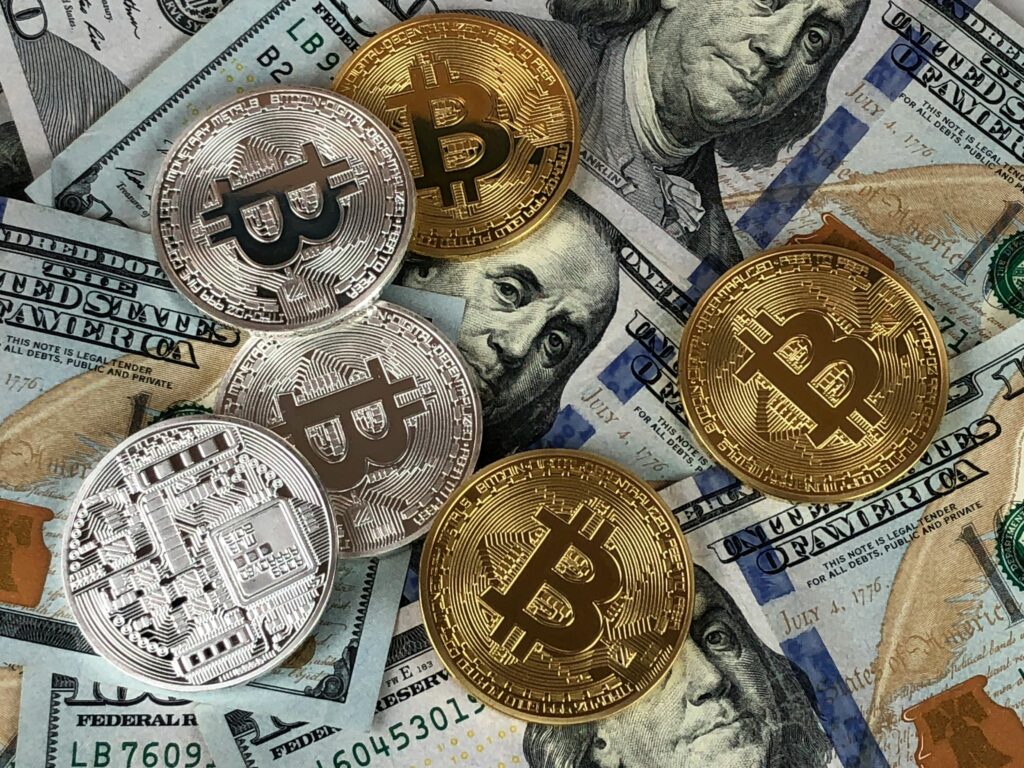
While gold, silver, and paper currency have been circulated for several hundred years across nations beyond the U.S., the evolution is not over yet. In 2009, the very first cryptocurrency, Bitcoin, was launched by a group known as Satoshi Nakamoto. This new form of currency is completely digital and can be used internationally. While there are many risks to crypto due to its lack of centralized authority, it is fascinating to observe the continued iterations of modern currency.
Gold and Silver Today
Regardless of the current currency trends, gold and silver coins have remained consistently used throughout U.S. history. America now has four national mints that all work in tandem to produce a mix of circulating and collectible coins and bullion in gold, silver, platinum, copper, and more. In the year 2024, the U.S. sold over 26.9 million ounces of gold and silver bullion coins. Gold and silver coins will vary in mintage amounts and rarity; however, they will always continue to be produced for the foreseeable future.
Begin Collecting with Pinehurst Coins
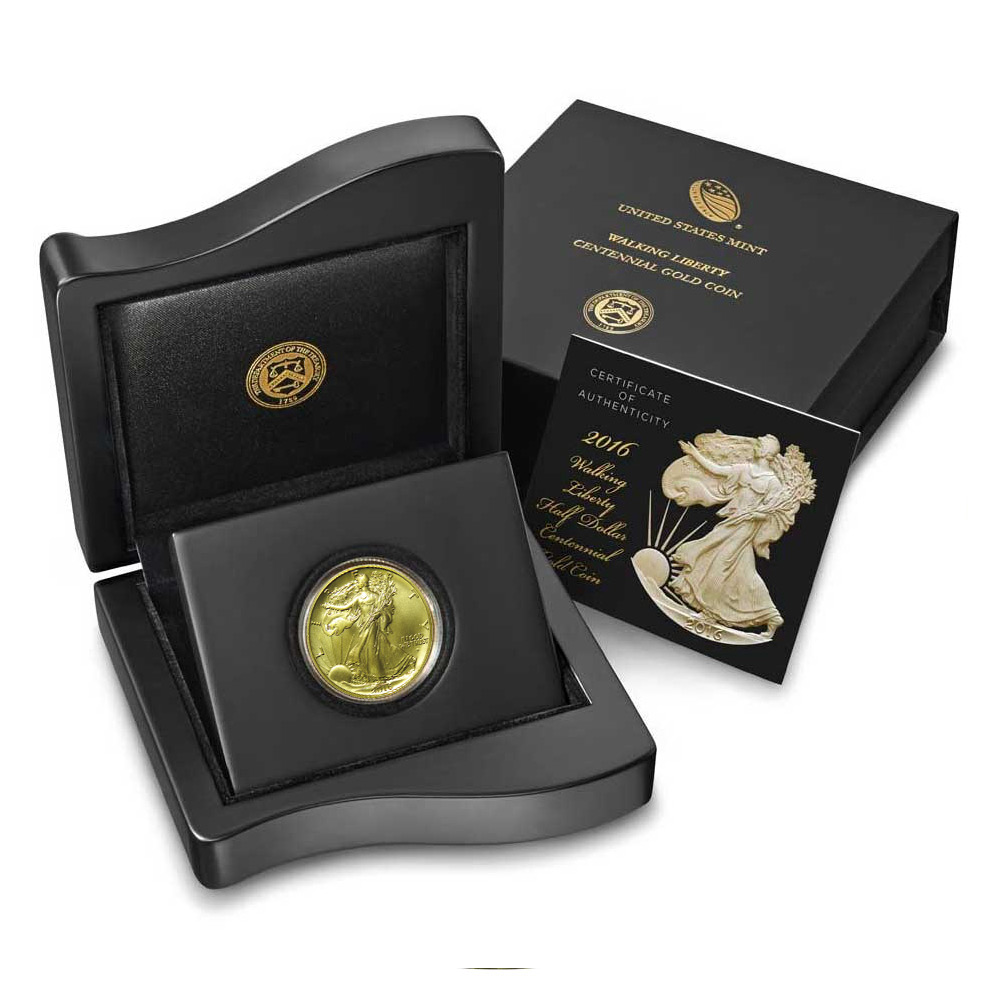
Whether you’re looking for historic coins from the nation’s inception or modern collectible sets, Pinehurst Coins remains a highly trusted source of coins for numismatists. Find your next great coin among our gold and silver coin selection.