

When you research gold spot prices or silver spot prices, you’ll often see live charts with constantly changing numbers. These figures can seem confusing at first, but they’re essential for anyone interested in buying or selling precious metals. Whether you’re investing in bullion, adding to a coin collection, or simply tracking market trends, understanding the spot price — and how it differs from bid and ask prices — can help in making informed decisions.
What Does Spot Price Mean?
The spot price is the current market price for one troy ounce of a precious metal, such as gold, silver, platinum, or palladium, for immediate delivery. In other words, the spot price is the live price one would pay (or receive) for the metal itself, without considering dealer premiums, shipping, or other transaction fees.
Spot prices are determined by global trading activity, primarily on commodity exchanges like the COMEX in New York or the London Bullion Market. Because metals are traded globally, the gold spot price and silver spot price refresh constantly during market hours, fluctuating based on supply and demand, currency movements, and economic news.
It’s important to remember that the spot price is not necessarily the exact price you’ll pay when buying physical metals. Dealers must account for production costs, distribution, and a modest profit margin, so you’ll usually see retail prices slightly above the spot price.
Spot Price vs. Ask Price vs. Bid Price
While spot price represents the underlying market value, ask price and bid price reflect what buyers and sellers are willing to trade for in a given moment.
- Ask Price – The lowest price a seller is willing to accept for an ounce of metal. When you buy precious metals from a dealer, you’ll typically pay the ask price, which includes a premium above spot.
- Bid Price – The highest price a buyer is willing to pay for an ounce of metal. You typically receive the bid price when you sell to a dealer, which is slightly below the spot price.
The difference between the bid and ask prices is the spread. This spread covers the dealer’s costs, helps manage inventory risk, and ensures they can operate profitably. In highly liquid markets such as gold and silver, spreads are smaller, while rarer metals or collectible coins with lower trading volumes may have larger spreads.
Why Spot Prices Change
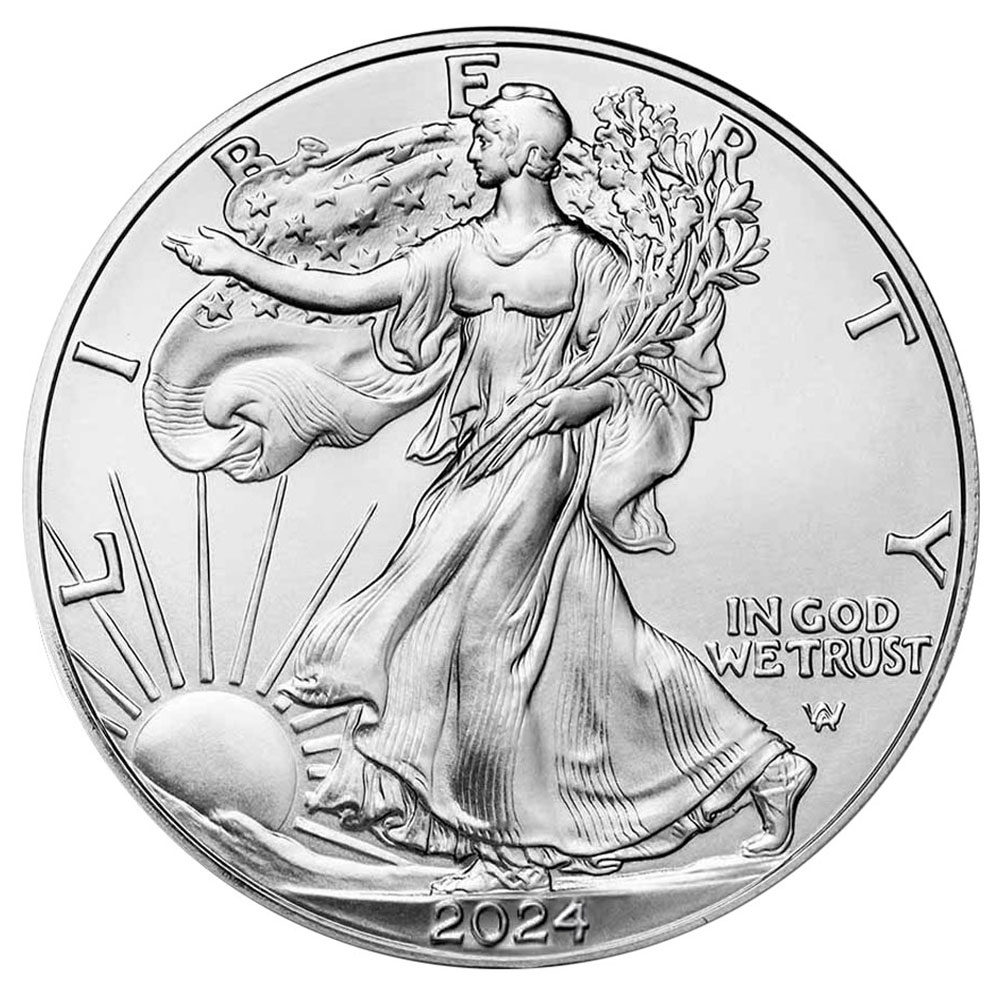
The gold spot price and silver spot price can change by the minute based on global market activity. Common factors influencing these shifts include:
- Supply and Demand: Increased mining output or strong industrial demand can affect prices.
- Economic Indicators: Inflation reports, interest rates, and employment data often sway investor sentiment toward or away from precious metals.
- Currency Movements: Since gold and silver are priced in U.S. dollars, changes in the dollar’s value directly affect spot prices.
- Geopolitical Events: Political unrest, trade disputes, or other uncertainties increase the appeal of safe-haven assets such as gold and silver.
How Spot Price Affects Buying and Selling
For buyers, the spot price acts as a benchmark for determining whether a quoted retail price is reasonable. For example, if the silver spot price is $25 per ounce and a dealer is selling silver rounds for $27, that $2 difference represents the dealer’s premium.
For sellers, knowing the spot price ensures you get a fair value for your metals. If the gold spot price is $2,000 and a dealer offers $1,950 per ounce, you know their buy price is $50 below spot, which might be fair depending on market conditions and the product you’re selling.
Tips for Using Spot Price Information
- Check Multiple Sources: Spot prices can vary slightly depending on the data provider. Consult a reputable dealer or trusted financial site for the most accurate information.
- Consider Premiums: Whether buying or selling, factor in dealer premiums, shipping, and payment method fees.
- Monitor Trends: Don’t just look at today’s price; follow charts over days, weeks, and months to see bigger market patterns.
- Know the Product: Collectible coins and rare pieces may trade at prices significantly higher than the spot, so adjust your expectations accordingly.
Buy and Sell Precious Metals with Pinehurst Coins
Pinehurst Coins offers a wide selection of gold, silver, and other precious metals at competitive prices. Our transparent pricing is based on live spot prices, enabling you to buy with confidence.
Visit us today to explore our inventory and start your collection!