

Third-party grading services like the Professional Coin Grading Service (PCGS) and Numismatic Guaranty Company (NGC) play a major role in determining a coin’s condition and value. Certified grades from reputable grading services give collectors and investors confidence that a coin is genuine and accurately evaluated. However, not every coin makes it into a grading holder. Some pieces are classified as ungraded coins, meaning they are considered ungradable by professional grading services.
Understanding which coins fall into this category is essential for collectors, both to avoid costly mistakes and to recognize when a coin still holds value despite its ungradable status.
What Does “Ungradable” Mean?
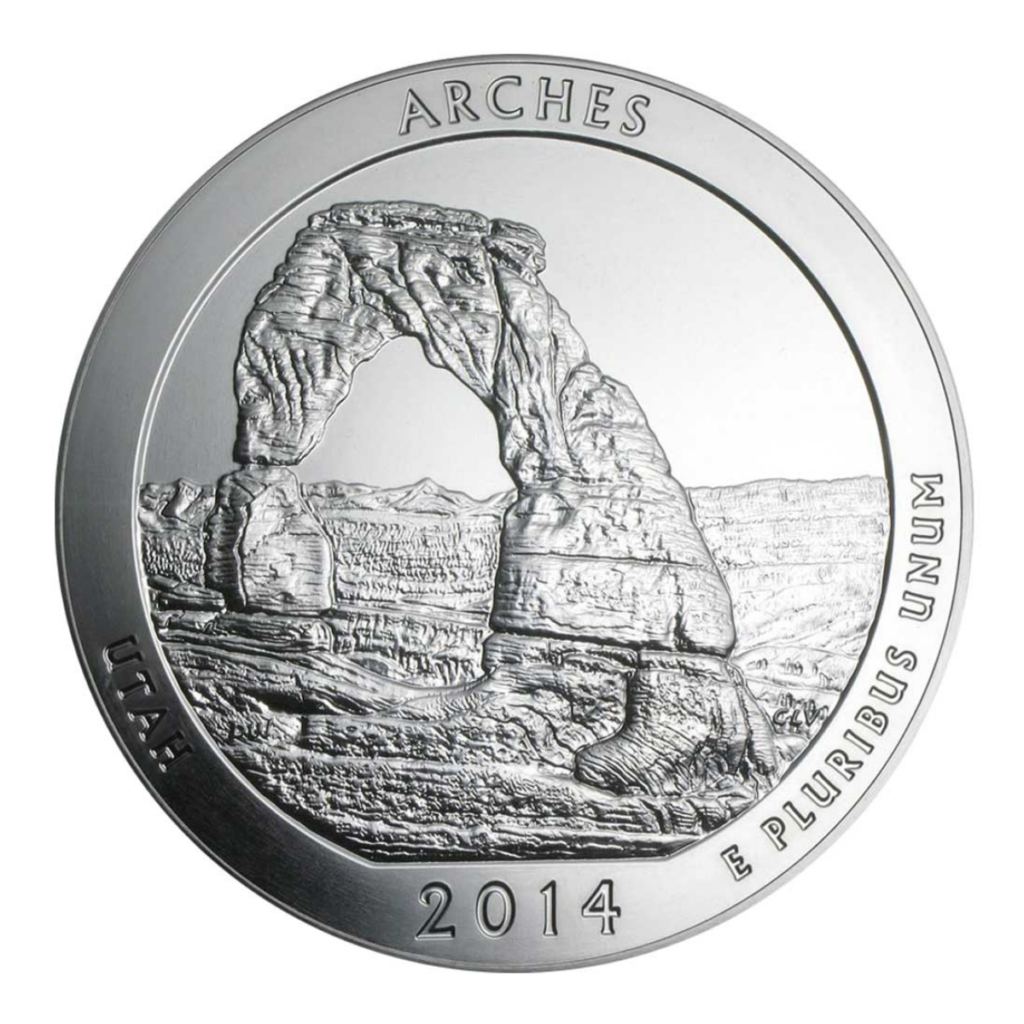
The term “ungradable” doesn’t mean a coin is worthless. Instead, it indicates that the coin has issues preventing it from receiving a numerical grade from a grading service. These pieces are often returned with designations such as “No Grade” or “Details” that describe why the coin cannot receive a standard grade.
Ungraded coins may still be genuine and collectible. In many cases, they’re still traded and purchased—just without the benefit of a numerical grade.
Reasons Coins Are Considered Ungradable
1. Damage
Coins that have been bent, holed, polished, scratched, or otherwise physically damaged are often deemed ungradable. Damage obscures original surfaces and makes it difficult to evaluate the coin’s true condition.
2. Cleaning
Improper cleaning is one of the most common reasons for ungraded coins. Abrasive cleaning methods can leave visible scratches or unnatural shine, permanently altering the coin’s surfaces.
3. Alterations
If a coin has been modified—for example, with added features, artificial toning, or re-engraving—it will usually be classified as ungradable. Grading services emphasize originality, and alterations diminish authenticity.
4. Environmental Damage
Corrosion, verdigris, and other forms of environmental damage can cause a coin to lose its original detail. Coins exposed to moisture, chemicals, or extreme conditions often fall into this category.
5. Counterfeit Concerns
In cases where a coin is suspected to be counterfeit or altered, grading services may refuse to grade it.
Are Ungraded Coins Worth Collecting?
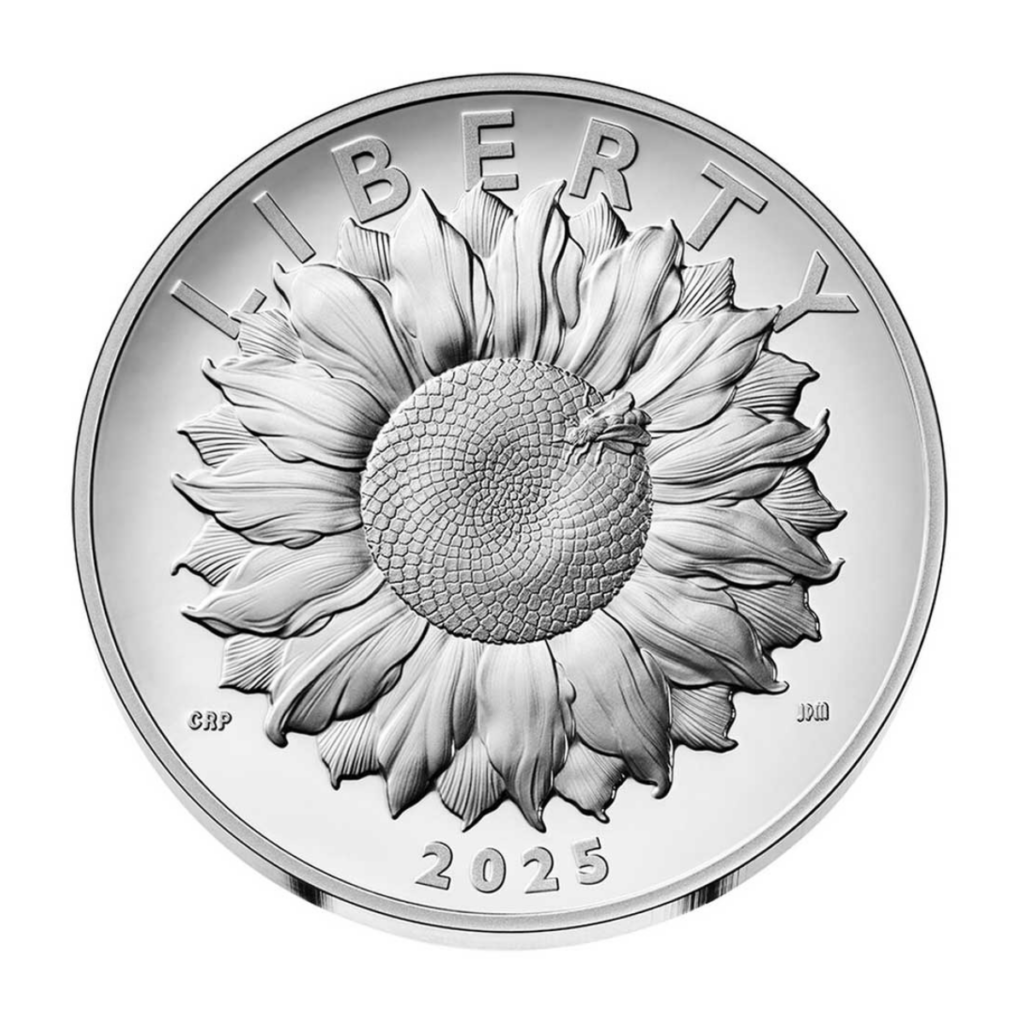
Absolutely. While ungraded coins lack the market assurance provided by a certified grade, they can still have collectible and even monetary value. For example:
Historical significance: A damaged coin from the early U.S. Mint can still be a valuable piece of history.
Affordability: Collectors on a budget may purchase ungradable coins as a lower-cost entry point into numismatics.
Error coins: Some coins rejected for grading due to unusual characteristics might still attract error-coin collectors.
In these cases, the key is transparency—collectors should always know why a coin is considered ungradable before making a purchase.
How to Approach Ungraded Coins
If you’re considering adding ungraded coins to your collection, keep these tips in mind:
- Buy from trusted sources. Work with reputable dealers such as Pinehurst Coins to ensure authenticity.
- Request details. Ask for an explanation of why the coin is ungradable.
- Use caution with investment. While collectible, ungraded coins may not appreciate like professionally graded pieces.
Collect with Confidence at Pinehurst Coins
While ungraded coins may not come with a professional certification, they can still appeal to collectors of all experience levels. Raw coins are often more affordable, making them an easy entry point for exploring new series, designs, or historical eras.
Whether you’re interested in certified coins, raw coins, or ungraded coins, Pinehurst Coins offers a trusted marketplace for collectors at every level. Our experts carefully source inventory to ensure authenticity and quality, giving you peace of mind with every purchase. Expand your collection today!