

When comparing gold coins vs silver coins, collectors typically notice that gold coins are often much smaller than silver coins of the same weight. This discrepancy isn’t about a design choice, but rather the difference in the density of gold compared to the density of silver. Understanding why gold coins are smaller requires a closer examination of metal density and its impact on the production of coins.
Gold Density vs Silver Density
Density measures the amount of mass that fits into a given volume. The density of gold is 19.32 grams per cubic centimeter, while the density of silver is 10.49 grams per cubic centimeter.
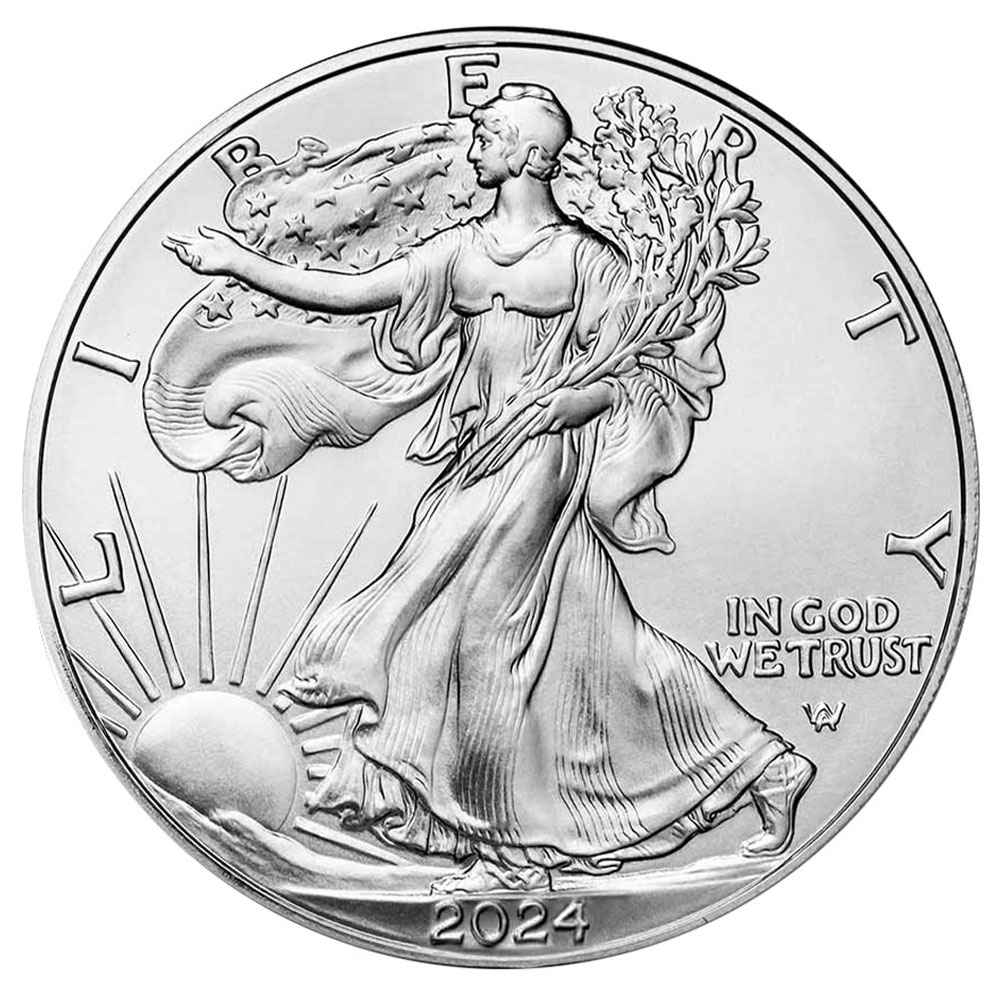
To put this into perspective, imagine holding two coins of equal weight: one gold, one silver. Even though both weigh one troy ounce, the gold coin will inhabit far less physical space because the metal is more tightly packed at the atomic level. That’s why a one-ounce American Gold Eagle looks compact, while a one-ounce American Silver Eagle is noticeably larger in diameter and thickness.
This fundamental difference in density explains why gold coins appear “small but heavy,” while silver coins feel lighter for their size.
Why Gold Coins Are Smaller
Because gold is denser, less volume is required to create a coin of a given weight. This directly affects the design and minting of gold coins. A one-ounce gold coin can be struck in a relatively small size without sacrificing accuracy or specifications. Silver, on the other hand, requires more surface area to achieve the same one-ounce weight.
This density-driven size difference has practical implications:
- Storage and transport: A modest stack of gold coins represents significant value in a compact form, making them easier to store discreetly or move in bulk.
- Durability: Gold’s density also contributes to its heft and resistance to wear, although it is softer than silver and often alloyed with small amounts of copper for added strength.
- Coin design: Mints take advantage of silver’s larger surface area to showcase detailed artistry, while gold coins typically feature more compact designs due to their smaller dimensions.
Historical Uses of Gold Coins vs Silver Coins
For centuries, both gold and silver have been used in commerce, but in very different ways. Gold’s compact value made it ideal for storing wealth and settling large transactions. A small pouch of gold coins could represent a fortune. Silver, more abundant and less dense, was used in daily trade where larger coins were practical for smaller purchases. This dual role carried into modern bullion: gold coins remain the standard for concentrated wealth, while silver coins are often favored for stacking in bulk.
Gold Coins vs Silver Coins in Modern Investing
Today, the contrast between gold and silver coins continues to influence buying decisions. Gold coins are chosen for long-term wealth preservation as a safe-haven asset against economic downturns, while silver coins offer affordability and accessibility. A beginner can purchase a roll of silver coin at a much lower price point than a single gold coin, making silver a common entry point for new collectors and investors.
Shop Gold and Silver Coins from Pinehurst Coins
Gold and silver coins each bring their own unique appeal to collectors. At Pinehurst Coins, you’ll find a wide selection of both gold and silver coins to suit any collection or investment strategy. From compact, high-value gold coins to beautifully detailed silver pieces, our inventory is carefully sourced and competitively priced.
Nothing will affect your purchasing experience like working with one of the most reputable and largest coin distributors in the nation. Explore our selection today and add the timeless appeal of gold and silver to your collection.