

The temptation to restore a tarnished coin to its original luster can be overwhelming, especially when you discover an interesting piece covered in dirt or oxidation. However, understanding how to clean coins properly, or better yet, when not to clean them at all, is essential knowledge for any collector or investor. A cleaned coin almost always loses significant value, and learning to identify cleaning damage can save you from costly mistakes.
Why Cleaning Coins Destroys Value
When most people consider how to clean old coins, they imagine restoring them to mint condition. Unfortunately, the reality is quite different. Professional numismatists and grading services view cleaning as damage that permanently alters a coin’s surface. The natural patina or toning that develops over time is actually desirable and contributes to a coin’s character and authenticity.
Even gentle cleaning methods can create microscopic scratches invisible to the naked eye but clearly visible under magnification. These hairlines immediately identify a cleaned coin to experienced collectors and professional graders. Major grading services like PCGS and NGC often grade cleaned coins lower or refuse to grade them altogether, which dramatically impacts their market value.
The oxidation and toning that naturally occur on silver coins and other metals tell a story about the coin’s age and storage conditions. Removing this natural process erases part of the coin’s history, making it less desirable to serious collectors who prize originality above artificial shine.
How to Identify a Cleaned Coin
Detecting whether a coin has undergone cleaning requires careful observation and sometimes magnification. Here are the primary indicators that reveal a cleaned coin:
Unnatural Brightness: A cleaned coin often displays an unnaturally bright or shiny appearance inconsistent with its age. Genuine uncirculated coins have a soft, original luster that differs from the harsh shine produced by cleaning. If an older coin looks brand new, this should raise immediate suspicions.
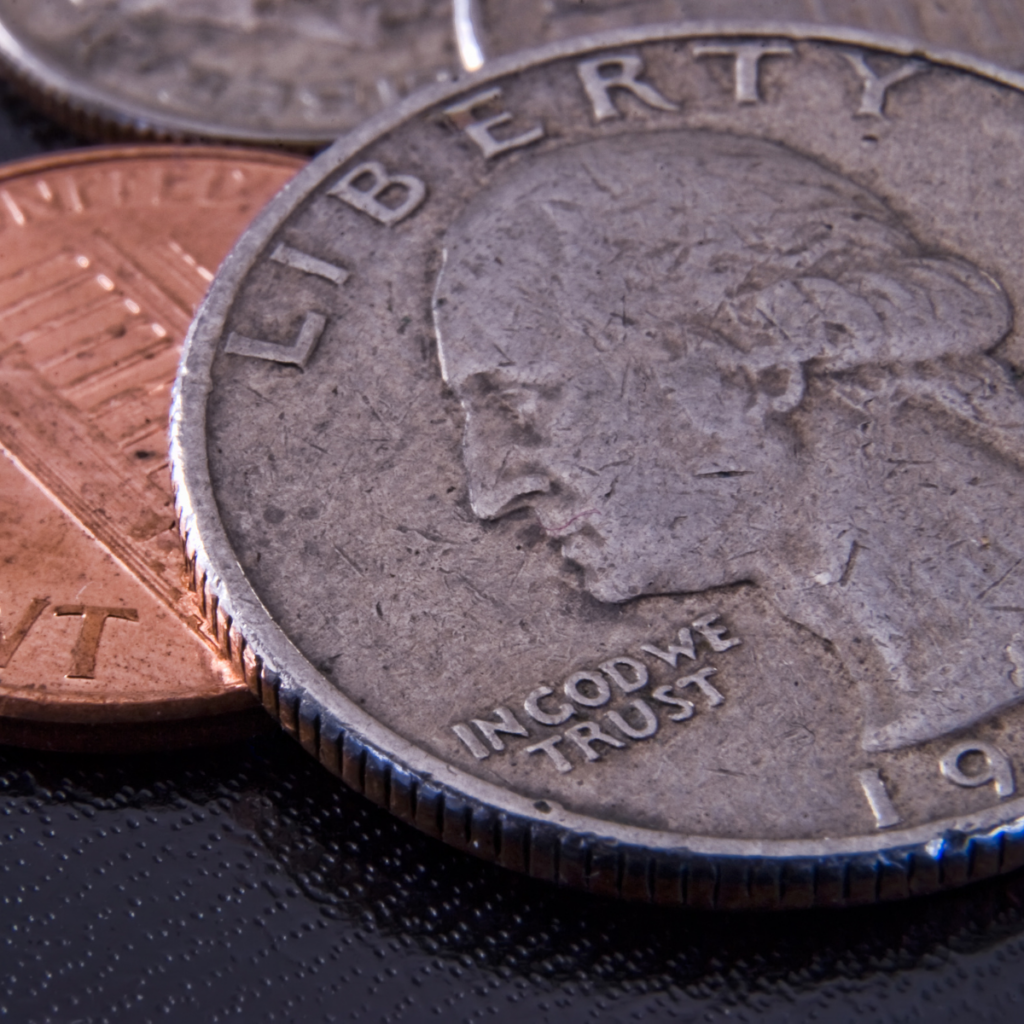
Hairline Scratches: The most telltale sign of cleaning coins is the presence of fine, parallel scratches across the surface. These hairlines typically run in the same direction and are most visible when the coin is tilted under direct light. Even coins cleaned with supposedly gentle methods like baking soda develop these microscopic abrasions.
Inconsistent Color: When someone attempts to clean coins, they often create uneven toning or spotting. You might notice lighter patches in recesses where cleaning solution pooled, or darker areas where tarnish wasn’t fully removed. Natural toning develops uniformly, while cleaning creates irregular patterns.
Dulled High Points: The raised elements of a coin, such as the portrait’s cheek or the eagle’s breast, often show dulled or flattened details on a cleaned coin. Aggressive cleaning physically removes minute amounts of metal from these high points, creating an artificially worn appearance.
Residual Chemical Damage: Some cleaning methods leave lasting evidence. Acidic cleaners can create a pitted or etched surface, while abrasive pastes may leave a dull, burnished appearance.
The Proper Approach to Coin Care
Rather than learning how to clean coins, collectors should focus on proper handling and storage. The best practice is simple: don’t clean your coins. If a coin requires any intervention, professional conservation by a certified numismatic conservator is the only acceptable approach for valuable pieces.
Professional conservation differs entirely from cleaning. Conservators use specialized techniques and solutions to stabilize coins and remove harmful substances without altering the natural surface. This service costs significantly more than commercial cleaning but preserves the coin’s numismatic value. For rare coins of substantial value, professional conservation can be a wise investment.
When Cleaning Might Be Acceptable
While cleaning coins is generally inadvisable, a few exceptions exist. Common-date circulated coins with no numismatic premium beyond their metal value might be gently cleaned if you plan to keep them for personal enjoyment rather than resale. Even in these cases, avoid harsh chemicals or abrasive methods.
For bullion coins purchased purely for their precious metal content rather than collectibility, light cleaning poses less concern since their value derives from metal content rather than condition. However, even gold and silver bullion pieces can carry small premiums when in pristine condition, so caution remains advisable.
The Market Impact of Cleaned Coins
The difference in value between an original coin and a cleaned coin can be dramatic. A coin that might grade MS-65 in original condition could drop to AU-58 or lower after cleaning, potentially reducing its value by 50% or more. For rare pieces, the loss can reach thousands of dollars.
Professional grading services have become increasingly sophisticated at detecting cleaned coins. What might fool a casual observer will not escape the scrutiny of expert graders using high-powered magnification and specialized lighting. Many cleaned coins receive “details” grades, noting the cleaning, which significantly impacts their desirability and price.
Understanding these market realities helps collectors appreciate why the numismatic community views cleaning so negatively. When building a collection, original, uncleaned examples—even those with natural toning or patina—are generally preferred over artificially brightened pieces.