

Coin collecting is one of the most rewarding hobbies available to anyone. It connects people with history, art, and craftsmanship — all through coins we handle daily. Whether you’re just getting started or looking to organize your growing collection, understanding the basics of coin collecting for beginners and proper coin storage will help you build a collection you can enjoy for years to come.
How to Start Collecting Coins
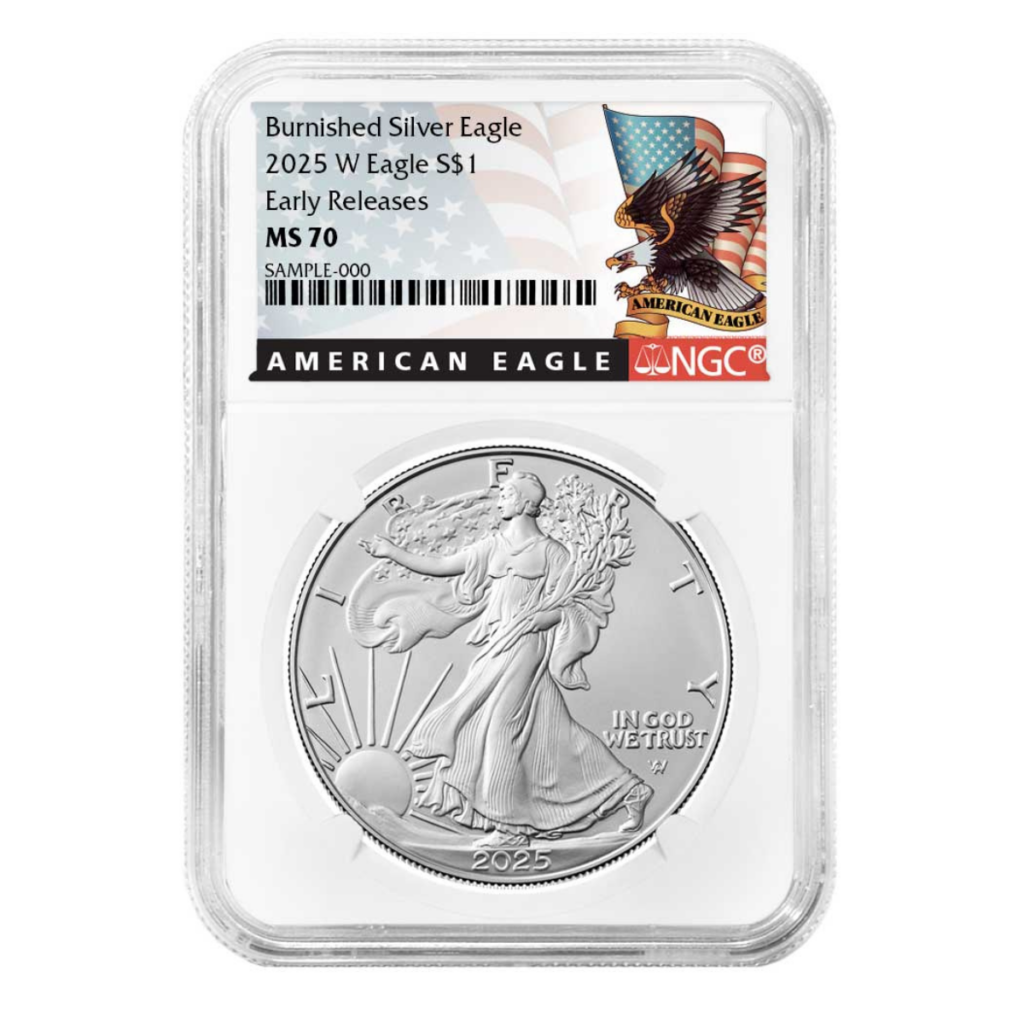
You don’t need rare or expensive pieces to start collecting. Here are a few easy steps to start a collection:
1. Choose a Focus
Decide what kind of coins you want to collect. Many people start with U.S. coins, but you can also collect world coins, commemoratives, or even ancient pieces. Narrowing your focus makes collecting more enjoyable and keeps your collection organized.
2. Check Your Change
A simple way to begin is by looking through the coins you already have. You may find older designs, mintmarks, or special releases that spark your interest.
3. Learn the Basics of Grading
A coin’s condition has a big impact on its value. Take time to learn how professionals grade coins, from well-worn pieces to mint-state pieces. Understanding the difference will help you recognize high-quality coins and make smart purchasing and selling decisions.
4. Buy from Reputable Dealers
When you’re ready to expand your collection, always buy from trusted sources. Dealers like Pinehurst Coins guarantee authenticity and accurate descriptions. This helps you avoid counterfeits and ensures you’re getting fair value.
5. Keep Learning as You Go
The more you learn, the better collector you’ll become. Read books, join online forums, and follow coin news to stay up to date on new releases and collecting tips.
Why Coin Storage Is Important
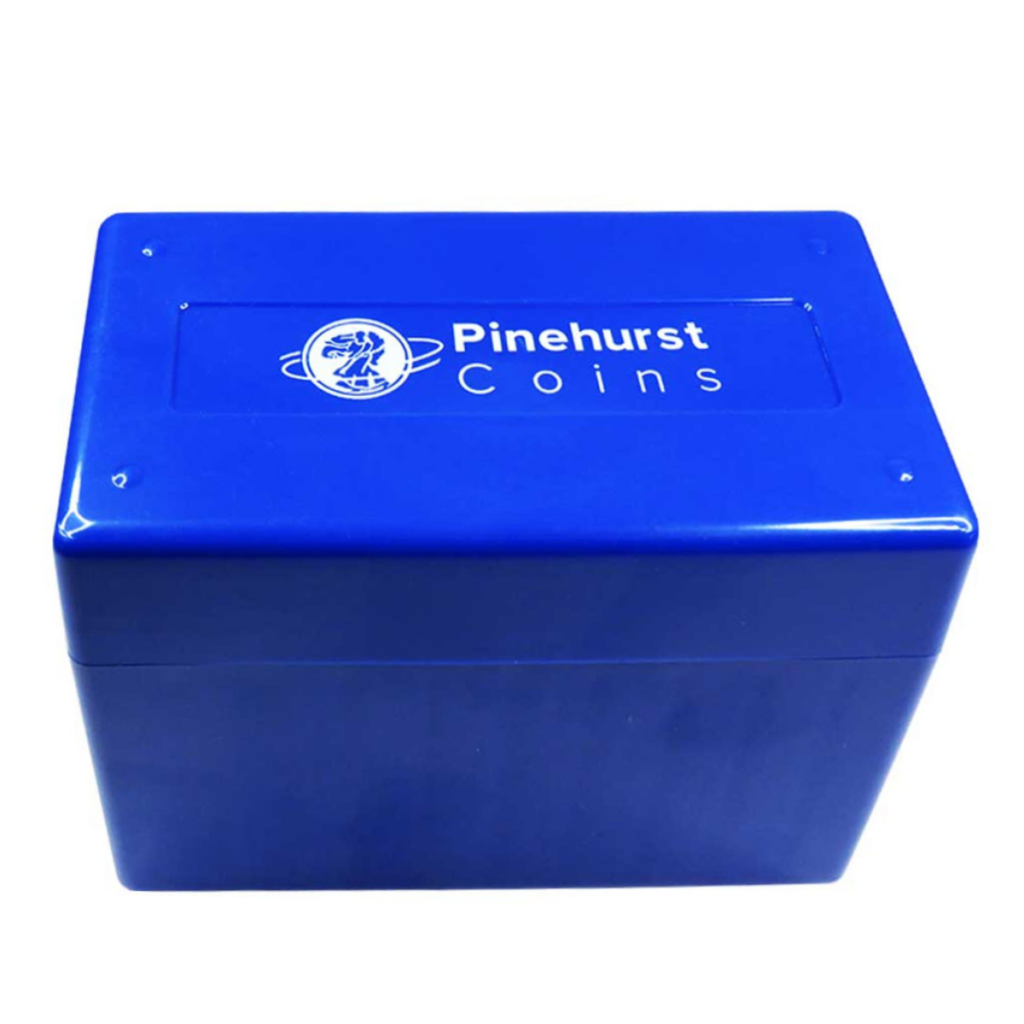
Once you’ve started collecting, proper coin storage is critical to preserving coin condition and value. Coins can be sensitive to moisture, heat, and handling, so it’s important to store them correctly.
1. Handle with Care
Always hold coins by the edges, not the faces. Oils and dirt from your hands can leave marks or cause discoloration.
2. Pick the Right Holders
The best type of holder depends on your collection:
- 2×2 holders: A simple and affordable choice for most coins.
- Airtight capsules: Protect coins from air and moisture.
- Albums or folders: Great for displaying series or year sets.
- Slabs: Used for graded coins that need long-term protection.
3. Store in the Right Environment
Keep your coins in a cool, dry place away from sunlight and humidity. Avoid storing coins in PVC plastic, which can release chemicals over time and damage surfaces.
4. Keep Records
Track each coin’s date, mintmark, grade, and where you bought it. Good recordkeeping helps with organization and adds value if you ever decide to sell your collection.
Tips: Coin Collecting for Beginners
Starting small is perfectly fine. Collecting should be enjoyable, not stressful. Focus on coins that interest you, and gradually work toward higher-value or rarer pieces. You’ll learn more and gain experience along the way.
Connecting with other collectors can also make a big difference. Local coin shows, clubs, and online communities are great places to share knowledge and get advice.
Build Your Collection with Pinehurst Coins
Whether you’re brand new to coin collecting for beginners or ready to expand an existing collection, Pinehurst Coins offers a wide range of coins, bullion, and collecting supplies. From affordable starter pieces to certified rarities, we’re here to help you find what fits your goals.
Protect your investments with proper coin storage and shop trusted coins today at Pinehurst Coins.