

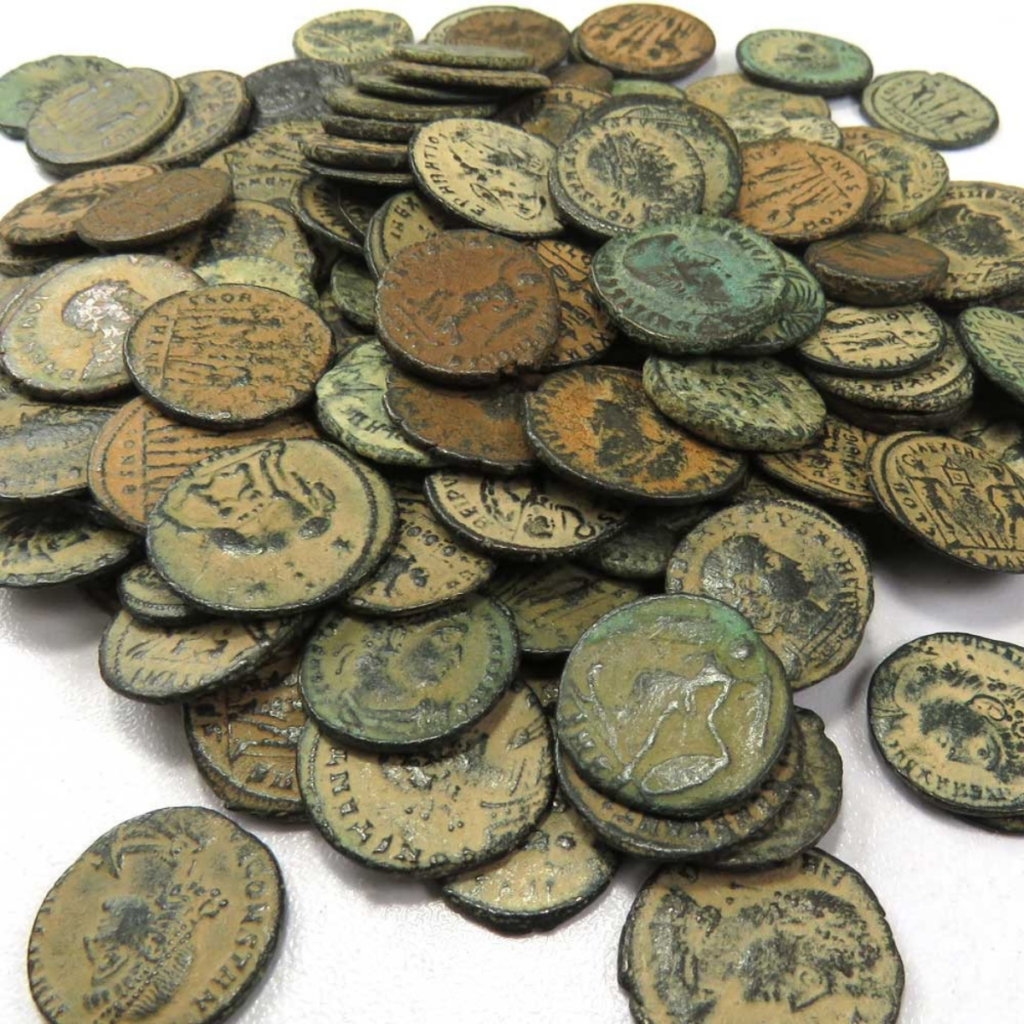
Ancient coins represent far more than currency; they’re tangible innovations that fundamentally transformed how civilizations conducted trade, wielded political power, and expressed cultural identity. The history of ancient coins traces humanity’s shift from rudimentary barter systems to sophisticated economic networks that connected continents. From Greek city-states to Roman provinces and Chinese dynasties, these early monetary systems laid the groundwork for modern finance while leaving behind artifacts that continue to captivate collectors today.
The Origins of Ancient Coinage
Before standardized currency, commerce relied on unwieldy barter exchanges and measured metal weights. The breakthrough came in the 7th century BCE when ancient Greek coins emerged in Lydia (modern-day Turkey) and quickly spread throughout the Aegean world. These first coins solved a critical problem: how to create portable, verifiable units of value backed by governmental authority.
Greek ancient coins set the template for Western coinage. Athens’ famous silver tetradrachms, bearing the goddess Athena and her sacred owl, became the trusted currency of Mediterranean trade. Aegina’s “turtle” coins established another early standard. What made these coins revolutionary wasn’t just their precious metal content; it was the combination of standardized weight, guaranteed purity, and official backing that transformed them into instruments of economic power. Greek city-states could now fund armies, conduct long-distance trade, and accumulate wealth in unprecedented ways.
The Coins That Influenced Global Trade
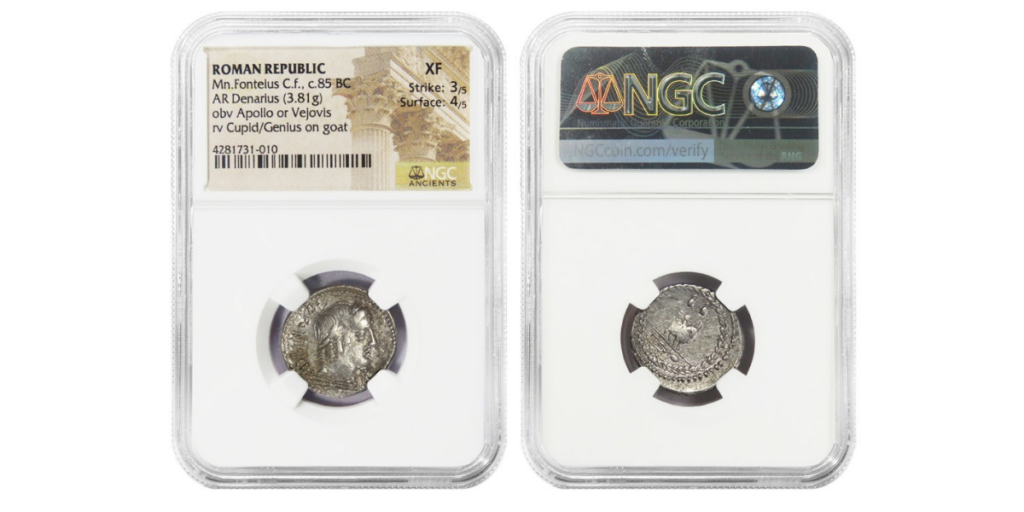
Roman ancient coins took the Greek model and scaled it to imperial proportions. As Rome’s legions conquered territories from Britain to Mesopotamia, Roman currency became the unifying economic language of three continents. The denarius and, later, the gold solidus weren’t merely coins; they were tools of statecraft.
Rome understood that coins could communicate as effectively as proclamations. Emperor portraits stamped on currency projected authority to every corner of the empire. Military victories, architectural achievements, and divine endorsements appeared on coin reverses, creating a mass media system centuries before printing presses. Roman coins also served practical functions: soldiers received their pay in standardized denominations, tax collectors operated within a unified system, and merchants could conduct business from Hadrian’s Wall to the Egyptian frontier with recognized currency.
The technological sophistication of Roman minting operations enabled massive production volumes while maintaining consistency. This infrastructure created an economic zone where trade flourished, contributing directly to Rome’s longevity and influence.
Innovations from the East
While Mediterranean civilizations struck coins between metal dies, ancient Chinese coins evolved along an entirely different path. Beginning around the 4th century BCE, Chinese coinmakers cast round bronze coins with distinctive square holes at their centers. This wasn’t an arbitrary design. The circular shape represented heaven while the square symbolized earth, embedding cosmic philosophy into everyday commerce.
The Ban Liang and Wu Zhu coins exemplified this tradition. These ancient Chinese coins could be strung together through their center holes, making large transactions manageable and creating a uniquely practical currency system. The casting method, rather than striking, allowed for efficient mass production that sustained China’s vast bureaucratic empire.
Remarkably, this basic design persisted for over two millennia, outlasting countless dynasties and influencing monetary systems throughout East and Southeast Asia. The longevity of Chinese coinage demonstrates how effective standardization could maintain economic stability across centuries of political change.
What Made These Coins World-Changing?
The global impact of ancient coins extends beyond their immediate civilizations. Standardized currency enabled stable, long-distance trade routes that connected differing cultures. The economic expansion facilitated by reliable coinage helped build and sustain powerful empires that shaped world history.
Ancient coins functioned as carriers of culture and identity. Greek coins spread Hellenic artistic ideals, Roman issues projected imperial ideology, and Chinese cash coins reinforced philosophical concepts. Each tradition developed sophisticated metallurgical techniques that advanced human technological capabilities.
Perhaps most significantly, these three ancient coinage systems, Greek, Roman, and Chinese, established foundational principles that underpin modern currency: government backing, standardized value, portable wealth, and mass production. Today’s monetary systems, despite their digital evolution, still operate on concepts pioneered by ancient minters.
How Ancient Coins Influence Modern Numismatics
The history of ancient coins continues to resonate in contemporary collecting. Ancient Greek coins attract collectors through their artistic excellence and historical significance, with each piece potentially held by citizens of classical Athens or traders along ancient maritime routes. Ancient Roman coins offer tangible connections to emperors and events documented in classical texts. Ancient Chinese coins provide insights into dynasties that governed billions of people across millennia.
Beyond their collectible appeal, ancient coins serve as primary historical sources. Archaeologists date excavation sites through coin evidence. Historians authenticate events and trace economic patterns through numismatic analysis. Museums preserve these artifacts as educational tools that make ancient civilizations accessible to modern audiences.
Modern mints still draw inspiration from ancient designs. The profile portrait format popularized by Roman coins remains standard on contemporary currency. Greek ideals of artistic proportion influence commemorative issues worldwide. The enduring fascination with ancient coins reflects their dual nature as both historical documents and objects of enduring beauty, a combination that ensures their relevance for collectors, scholars, and history enthusiasts alike.