

When you purchase a gold or silver coin, you’re trusting that the metal inside matches the weight, purity, and specifications described by the seller or mint. That trust is built through a process known as assay. Whether reflected in markings on a bullion bar, documented on a certificate of authenticity, or referenced in a mint’s product specifications, an assay verifies the composition and purity of precious metals. For collectors and precious metals buyers alike, understanding what an assay is and why it matters is an important part of making informed purchasing decisions.
What Does “Assay” Mean?
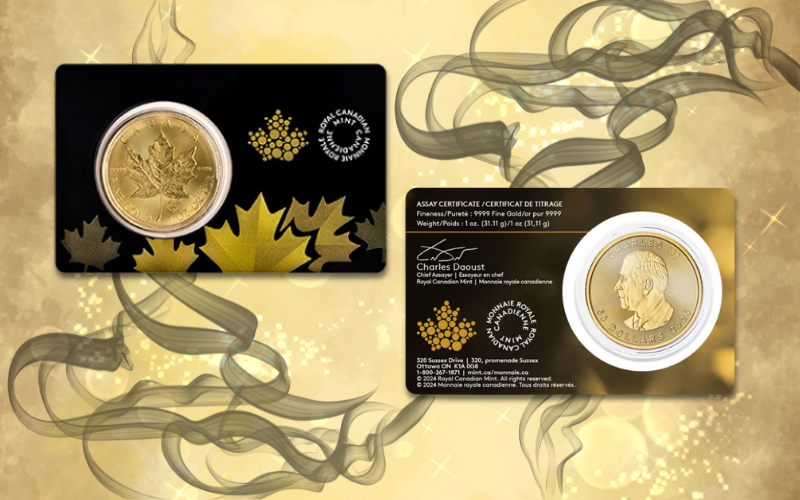
An assay is an analytical test used to determine the composition and purity of a metal sample, answering one essential question: does the precious metal meet the specifications it claims to contain? When a mint states that a coin is “.999 fine silver” or “.9999 fine gold,” those purity levels are verified through testing and quality control processes that include assaying.
For precious metals buyers, an assay provides confidence that a product’s stated metal content matches its specifications, helping establish trust in the weight, purity, and authenticity of the piece.
A Brief History of Assaying
Assaying predates modern chemistry by millennia. The methods have evolved, but the purpose never has:
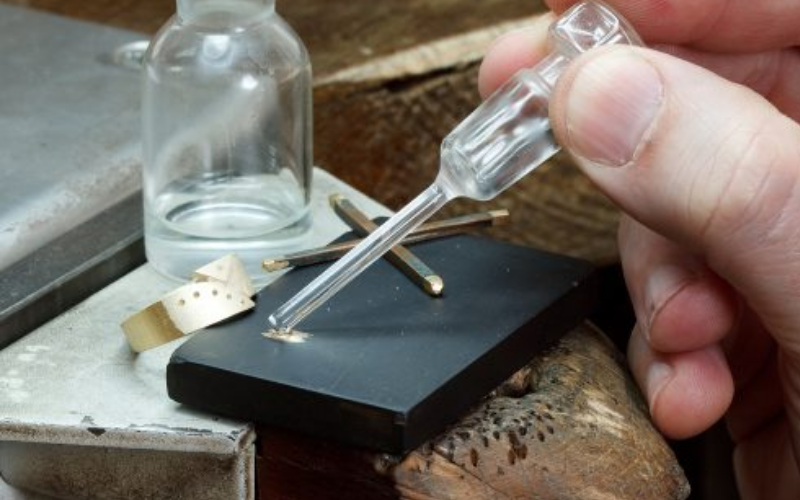
- Ancient world: Traders used the touchstone test — rubbing metal across a dark stone and comparing the streak color to known alloys — to estimate gold purity on the spot.
- Medieval Europe: Official assay offices were established to test and hallmark precious metals before they could be legally sold, formalizing quality standards across borders.
- 19th-century U.S.: As gold and silver flooded in from California, Nevada, and Colorado, the U.S. government opened assay offices in San Francisco, Denver, and New York to test raw ore, verify purity, and convert it to coin or stamped assay bars. The assay office was the financial anchor of the frontier economy.
How Assaying Works
Modern assaying uses several methods depending on the metal being tested and the level of precision required:
- Fire assay: Considered one of the oldest and most accurate methods for determining gold and silver purity. A sample is melted with lead and other reagents in a furnace. During cupellation, impurities are separated and absorbed into a porous cup called a cupel, leaving a precious metal bead that can be measured to determine fineness.
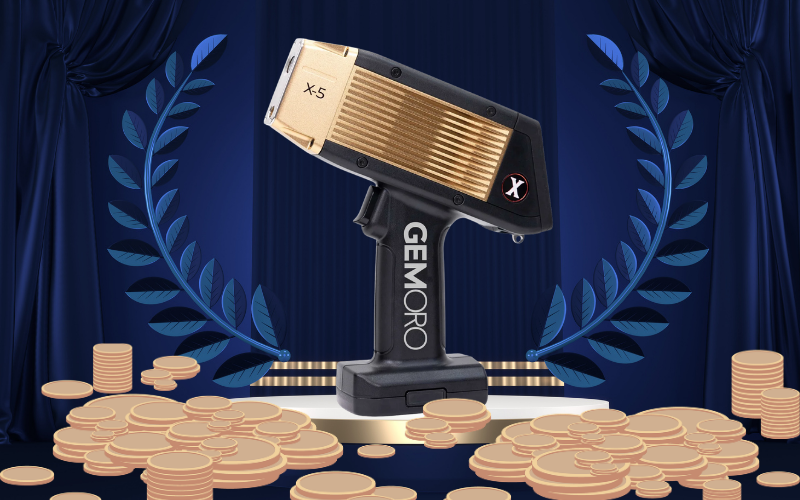
- X-ray fluorescence (XRF): A non-destructive testing method that uses X-rays to excite the atoms on a metal’s surface. Each element produces a unique energy signature, allowing technicians to analyze the metal’s composition without damaging the coin or bar. Because XRF primarily measures surface composition, additional testing may be used when a deeper analysis is required.
- Acid testing: A traditional field-testing method in which a small mark is made on the metal surface and a testing solution is applied. The reaction provides an estimate of purity and is commonly used for gold verification, although it is less precise than professional methods such as fire assay or XRF.
Major sovereign mints, including the U.S. Mint, the Royal Canadian Mint, and the Perth Mint, use rigorous testing and quality-control procedures throughout production to verify that their precious metal products meet stated specifications before reaching collectors and buyers.
Assay in Modern Coin Collecting
For today’s collectors and precious metals buyers, assay documentation most commonly appears in a few different forms:
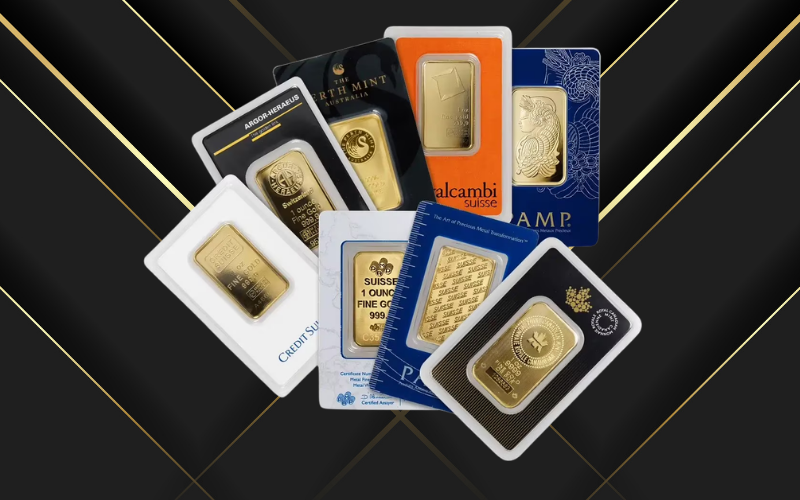
- Assay certificates: Documents issued by a mint, refiner, or testing facility that provide details about a bullion product’s weight, fineness, and identifying information. They are especially common with larger bullion bars and select premium releases. An assay certificate is different from a Certificate of Authenticity (COA): a COA typically confirms a product’s origin and identity, while an assay certificate focuses on verifying stated precious metal specifications.
- Assay cards: A popular format for many bullion bars and select precious metal products in which the item is sealed in protective packaging alongside printed information verifying its weight and purity. The tamper-evident packaging helps protect the product and provides buyers with confidence that the item has remained sealed since production.
Government-issued bullion coins often rely on the guarantee and quality-control standards of the issuing mint rather than individual assay certificates. Their weight and purity are backed by the authority of the sovereign mint that produced them. Understanding an assay connects directly to the broader question of what makes a coin numismatic because verified precious metal content is one of the foundational layers of a coin’s value, alongside factors such as rarity, condition, historical significance, and collector demand.
Why Assay Matters to Collectors
- Confidence in purity: Assay testing reduces uncertainty by verifying a precious metal product’s stated composition and fineness. When a coin or bar’s metal content has been confirmed, collectors and buyers can better understand the intrinsic value of the material they own.
- Protection against counterfeits: Counterfeit precious metal products—including tungsten-filled gold items and base metals made to imitate silver or gold—remain a concern in the marketplace. Products accompanied by reliable assay documentation, recognized manufacturer markings, or tamper-evident packaging can provide additional confidence when evaluating authenticity.
- Resale considerations: Intact assay documentation can make certain bullion products easier to verify and may improve their marketability when resold. For many collectible coins, however, factors such as rarity, condition, certification, and historical significance often play an equally important role in determining collector demand.
Understanding an assay is an important part of understanding what makes a coin numismatic. Verified precious metal content provides a foundation for value, while rarity, condition, historical importance, and collector interest help determine a coin’s broader significance.
Frequently Asked Questions About Assay
What does “.999 fine” mean on a coin?
.999 fine means that a coin or bullion product contains 99.9% pure precious metal, or 999 parts pure metal out of 1,000. The remaining portion may consist of trace amounts of other elements left from the refining process or manufacturing standards.
.9999 fine indicates 99.99% purity, meaning the product contains 999.9 parts pure metal out of 1,000. This higher fineness is commonly associated with many modern gold bullion products, including the Canadian Gold Maple Leaf. However, purity standards vary by mint and product type, with some popular bullion coins using different alloy compositions while still guaranteeing their stated precious metal content.
What is the difference between an assay certificate and a Certificate of Authenticity?
A Certificate of Authenticity (COA) provides information about a coin’s identity, origin, and issue details, confirming what the product is and where it came from. An assay certificate focuses specifically on the precious metal specifications, documenting details such as weight, fineness, and metal content. Many premium bullion releases include both forms of documentation, while government-issued bullion coins often rely on the guarantee and quality standards of the issuing mint.
Are all bullion coins assayed?
Reputable sovereign mints, such as the U.S. Mint, Royal Canadian Mint, and Perth Mint, use strict quality-control procedures to verify that their bullion coins meet their stated specifications for weight and fineness. These procedures include precious metal testing and may involve assaying during production, but individual coins are not typically issued with separate assay certificates.
The purity markings found on bullion coins—such as “.999 fine silver” or “.9999 fine gold”—reflect the mint’s guaranteed specifications and the testing standards used throughout the manufacturing process. For many government-issued bullion coins, the authority and reputation of the issuing mint provide the assurance of authenticity and metal content.
Do assay cards affect a coin’s collector value?
They can. For many modern bullion products, an intact assay card or original sealed packaging adds to the product’s completeness and provides buyers with additional confidence regarding its origin and specifications. Similar to original government packaging (OGP), preserved packaging can be an important part of the collectible presentation for certain releases.
Breaking the seal removes the tamper-evident protection and may affect resale appeal, particularly for products where collectors value the original presentation. However, the impact varies depending on the specific coin or bullion product, with factors such as rarity, condition, brand, and market demand playing a larger role in determining overall value.
Shop Assayed Coins and Bullion at Pinehurst Coins
Whether you’re collecting certified gold coins, adding precious metals to your collection, or exploring bullion products from trusted mints and refiners, Pinehurst Coins offers a wide selection backed by established industry standards. From modern bullion with documented specifications to rare coins with unique histories, our team can help you find the right piece for your collection.
Explore our rare coins and silver coins inventory, or contact us with questions about a specific item’s authenticity, history, or available documentation, including assay information where applicable.