

Whether you’re just starting a collection or looking to fill gaps in an existing one, certain U.S. coins belong on every collector’s radar. The ten coins below have earned their place through a combination of collector recognition, historical significance, artistic merit, and cultural staying power. They span copper cents to gold double eagles, pocket change to numismatic treasures, and together they tell the story of American coinage from its earliest days to the present. Understanding what makes a coin numismatic is the foundation; this list is where to start building.
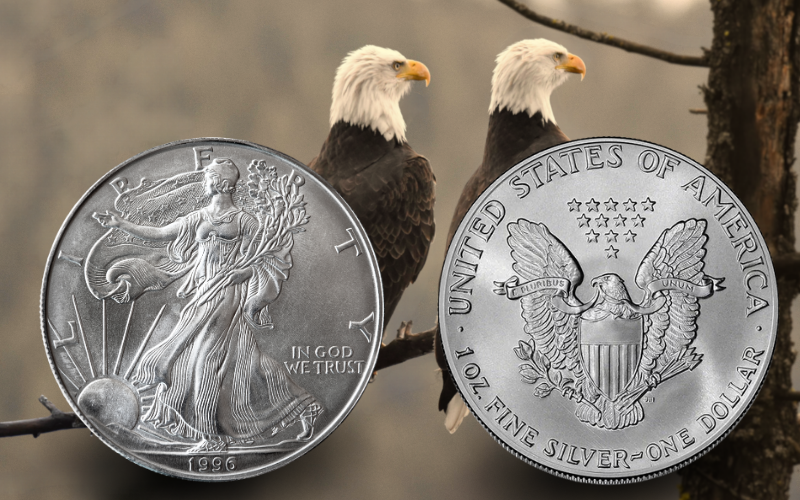
American Silver Eagle (1986–Present)
The most recognized silver coin in the world and America’s official bullion coin. The obverse carries Adolph Weinman’s iconic Walking Liberty design, originally created for the 1916–1947 half dollar. Struck in .999 fine silver with a one-troy-ounce guarantee backed by the U.S. government, it’s the entry point for millions of collectors and the standard against which many modern silver coins are measured. Browse our silver coins for available examples.
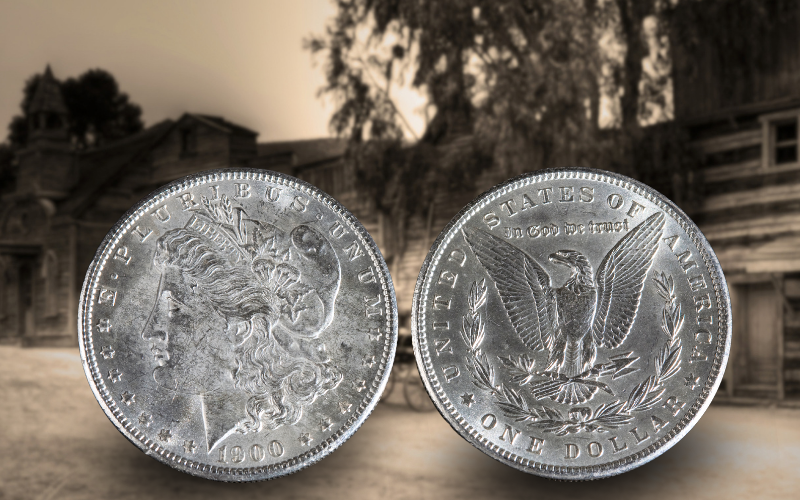
Morgan Silver Dollar (1878–1921)
One of the most collected U.S. coin series ever produced. Designed by George T. Morgan and struck in 90% silver from Comstock Lode ore, the Morgan dollar was the workhorse currency of the American frontier. With five mint facilities, dozens of key dates, and a century of collector demand, the series offers a lifetime of pursuit. The Carson City (CC) mint mark is the crown jewel for most collections.
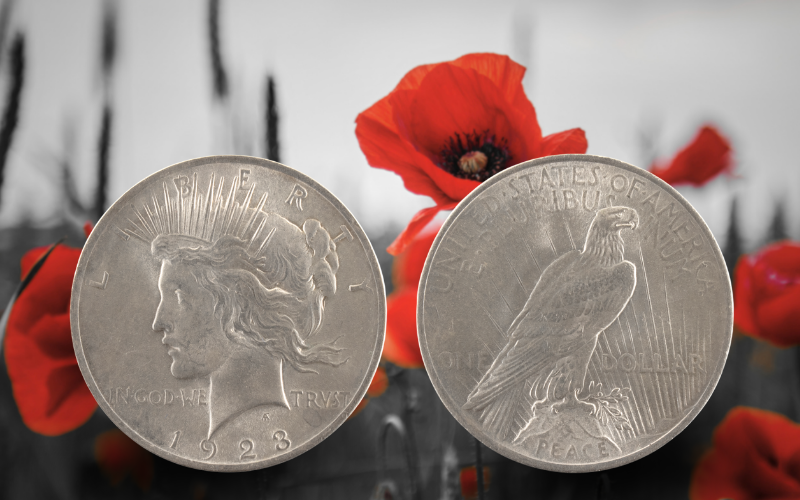
Peace Silver Dollar (1921–1935)
Struck in the aftermath of World War I, the Peace Dollar was designed by sculptor Anthony de Francisci, whose wife, Teresa, served as the model and inspiration for Liberty on the obverse. The word PEACE on the reverse, paired with an eagle resting on an olive branch, makes the coin a powerful symbol of the nation’s hopes for lasting peace. It was also the last U.S. silver dollar struck for regular circulation, with production continuing from 1921 through 1935.
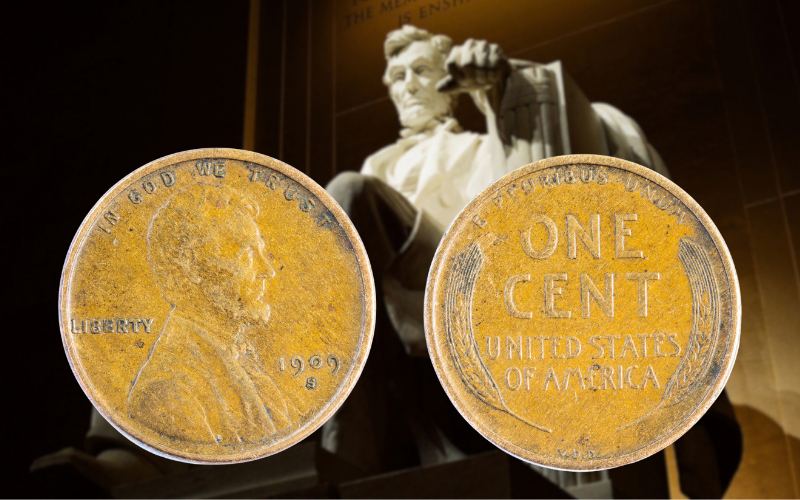
Lincoln Wheat Cent (1909–1958)
The first regular-issue U.S. circulating coin to feature the portrait of a real person, the Lincoln Cent was introduced in 1909 to commemorate the centennial of Abraham Lincoln’s birth. Designed by Victor David Brenner, the coin initially featured his initials, “VDB,” on the reverse of the 1909 Philadelphia and San Francisco issues. Public controversy surrounding the prominent initials led to their removal shortly after release, making the 1909-S VDB one of the most famous key dates in American numismatics.
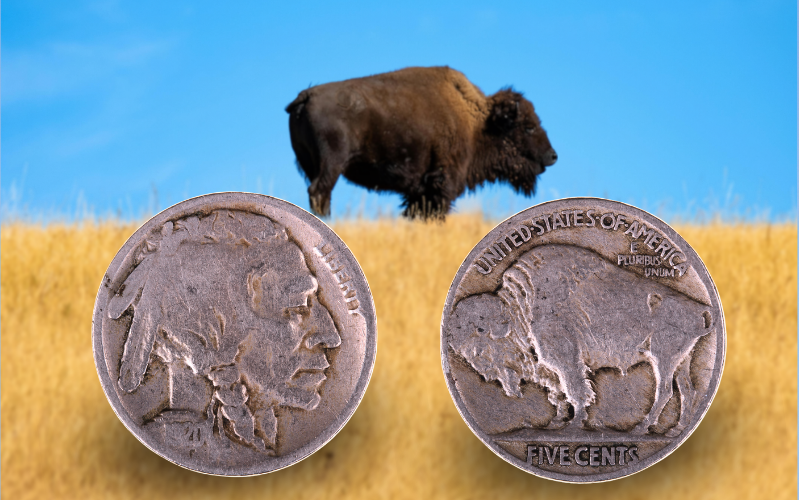
Buffalo (Indian Head) Nickel (1913–1938)
Widely considered the most artistically ambitious coin in U.S. history. Sculptor James Earle Fraser modeled Liberty (called “Indian Head” by collectors) on three different Native American chiefs and placed an American bison — modeled on Black Diamond at the Central Park Zoo — on the reverse. The result is an unmistakably American coin that remains one of the hobby’s most beloved designs.
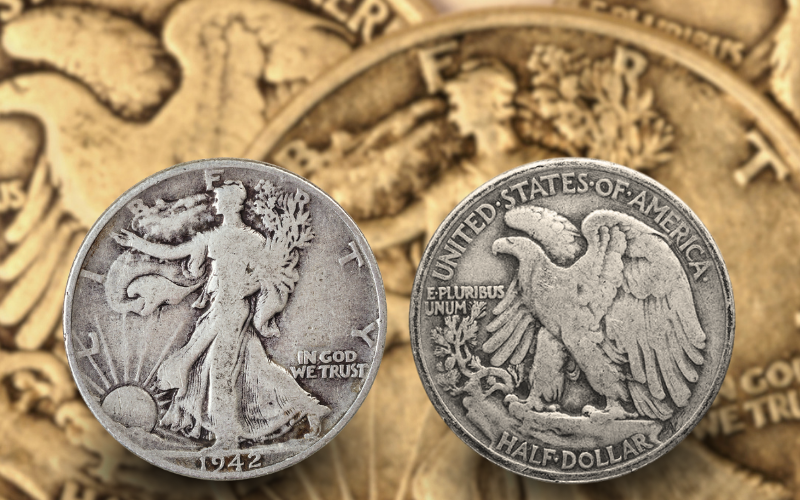
Walking Liberty Half Dollar (1916–1947)
Designed by Adolph A. Weinman, the same sculptor whose Walking Liberty design later inspired the obverse of the American Silver Eagle, the Walking Liberty Half Dollar is widely regarded as one of the most beautiful coins ever produced by the U.S. Mint. Liberty strides toward a rising sun, draped in the American flag and carrying branches of laurel and oak, symbolizing liberty, strength, and peace. Key dates in the series include the 1916-S, 1919-D, 1921-D, and 1921-S issues.
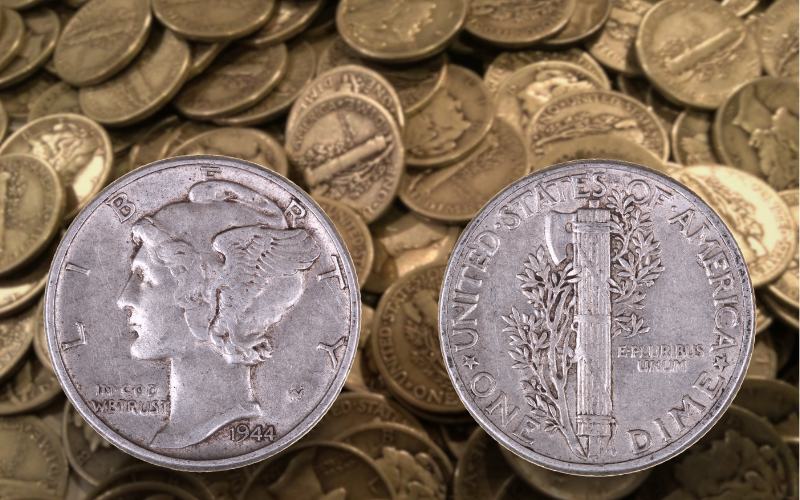
Mercury Dime (1916–1945)
The “Mercury” nickname is a misnomer; the figure on the obverse is Liberty wearing a winged Phrygian cap, not the Roman god Mercury. Designed by Adolph Weinman (his third appearance on this list), the Mercury Dime is admired for the detail packed into its small format. The Full Bands (FB) designation on the reverse fasces makes high-grade examples with fully struck bands a specialized collecting pursuit.
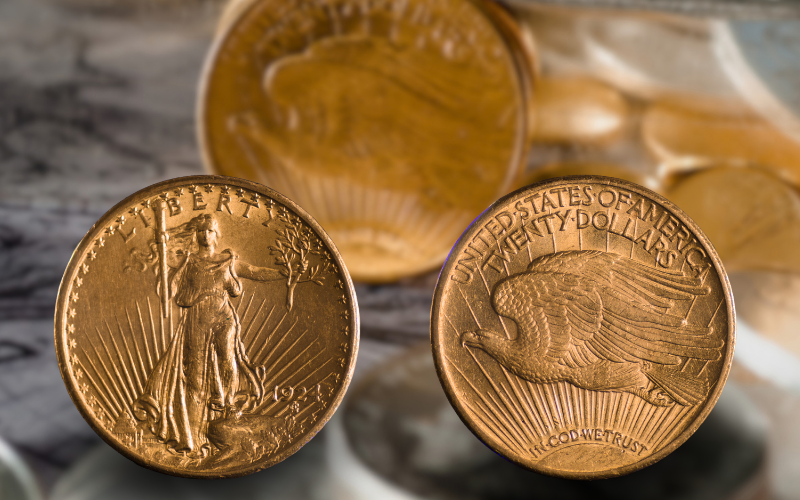
Saint-Gaudens $20 Double Eagle (1907–1933)
Commissioned by President Theodore Roosevelt, who believed American coinage lacked the artistic quality of ancient Greek coins, sculptor Augustus Saint-Gaudens created what is widely regarded as one of the most beautiful coins in U.S. history. The striding Liberty obverse and soaring eagle reverse showcase an extraordinary level of artistry, even in circulated grades. The 1933 Double Eagle, which was never officially released into circulation, remains one of the most famous rarities in American numismatics. One example sold at auction for approximately $18.9 million in 2021, making it the most expensive coin ever sold at public auction at the time.
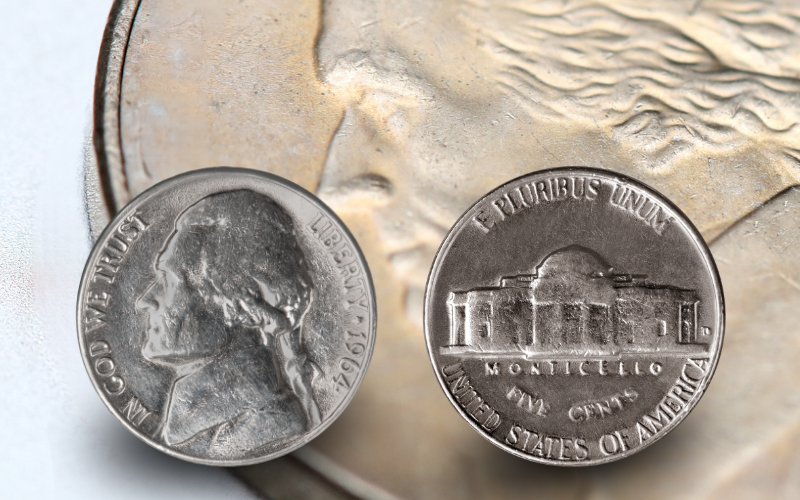
Jefferson Nickel (1938–Present)
Designed by Felix Schlag, winner of a U.S. Mint competition, the Jefferson Nickel has been a fixture of American pocket change for nearly 90 years. The Monticello reverse reflects Thomas Jefferson’s architectural legacy, while the wartime silver issues of 1942–1945, struck in an alloy containing 35% silver to conserve nickel for the war effort, remain a popular and affordable entry point for new collectors. In higher grades, Full Steps (FS) examples with fully struck Monticello staircases are particularly sought after and can command significant premiums.
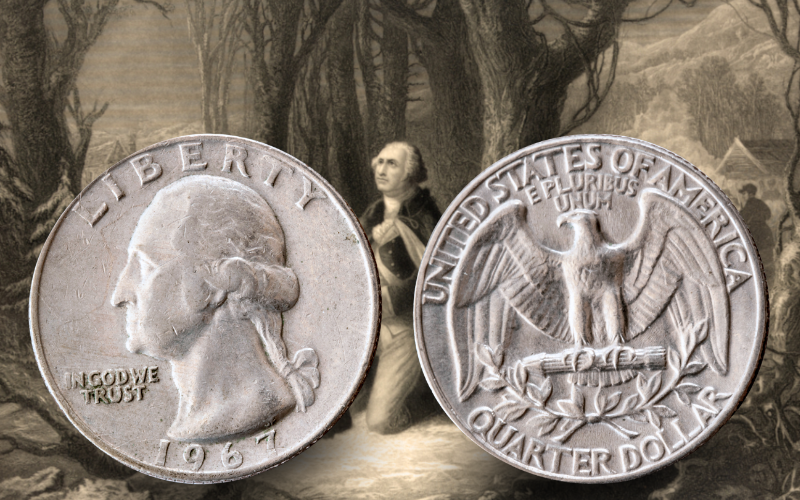
Washington Quarter (1932–Present)
Introduced in 1932 to commemorate the 200th anniversary of George Washington’s birth, the Washington Quarter has remained a fixture of American coinage for nearly a century. John Flanagan’s iconic portrait appeared on the coin for decades before later redesigns expanded its collecting appeal. The 50 State Quarters Program (1999–2008), followed by the America the Beautiful Quarters and American Women Quarters programs, transformed the denomination into one of the most widely collected modern U.S. coin series. These programs introduced millions of new collectors to the hobby through coins found in everyday change.
Frequently Asked Questions
Which coin on this list is the best starting point for new collectors?
For many new collectors, the American Silver Eagle offers an accessible introduction to modern U.S. coin collecting. It is widely available, instantly recognizable, and backed by the U.S. Mint’s guarantee of weight, purity, and legal-tender status.
For collectors drawn to history and affordability, the Lincoln Wheat Cent is an excellent alternative. Many common-date examples can be found at modest prices through dealer stock and collections, while the series offers decades of history, numerous varieties, and key dates to explore. Whether starting with modern bullion coins or historic circulation issues, the best entry point is ultimately the one that matches a collector’s interests and budget.
Why does Adolph Weinman appear so many times on this list?
Adolph A. Weinman was one of the most influential and celebrated coin designers in U.S. Mint history. His Walking Liberty design, introduced on the half dollar in 1916, was so admired that the U.S. Mint revived it for the American Silver Eagle in 1986. His Mercury Dime, introduced during the same remarkable period, is another enduring masterpiece. Together, these designs demonstrate Weinman’s extraordinary ability to create timeless works of art on a remarkably small canvas.
Are any of these coins rare enough to be valuable in circulated grades?
Yes. Several key dates on this list can command significant premiums even in circulated condition. The 1909-S VDB Lincoln Cent, the 1916-D Mercury Dime—with a mintage of just 264,000—the 1921-D and 1921-S Walking Liberty Half Dollars, and the 1893-S Morgan Silver Dollar are all genuinely scarce issues. Even well-worn examples can be valuable because of their low mintages and strong collector demand.
For potentially valuable or rare coins, professional grading and authentication through services such as PCGS or NGC can help establish authenticity, condition, and marketability.
Find These Coins at Pinehurst Coins
Whether you’re tracking down a key-date Lincoln cent, building a complete Morgan Dollar set, or adding your first American Silver Eagle, Pinehurst Coins carries coins from every era on this list. Explore our rare coins and silver coins inventory, or contact our team for help finding a specific date, grade, or denomination.